
 Save
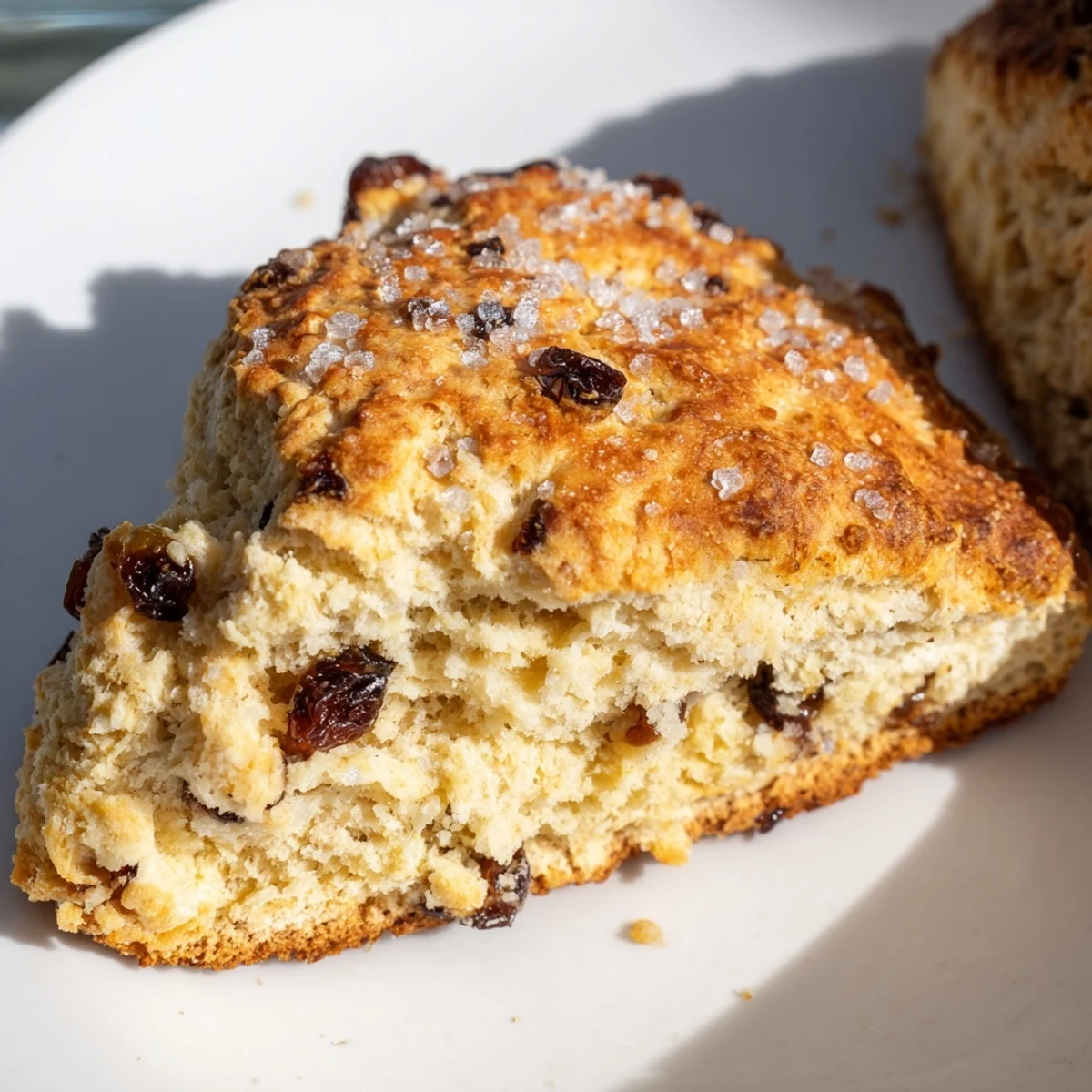
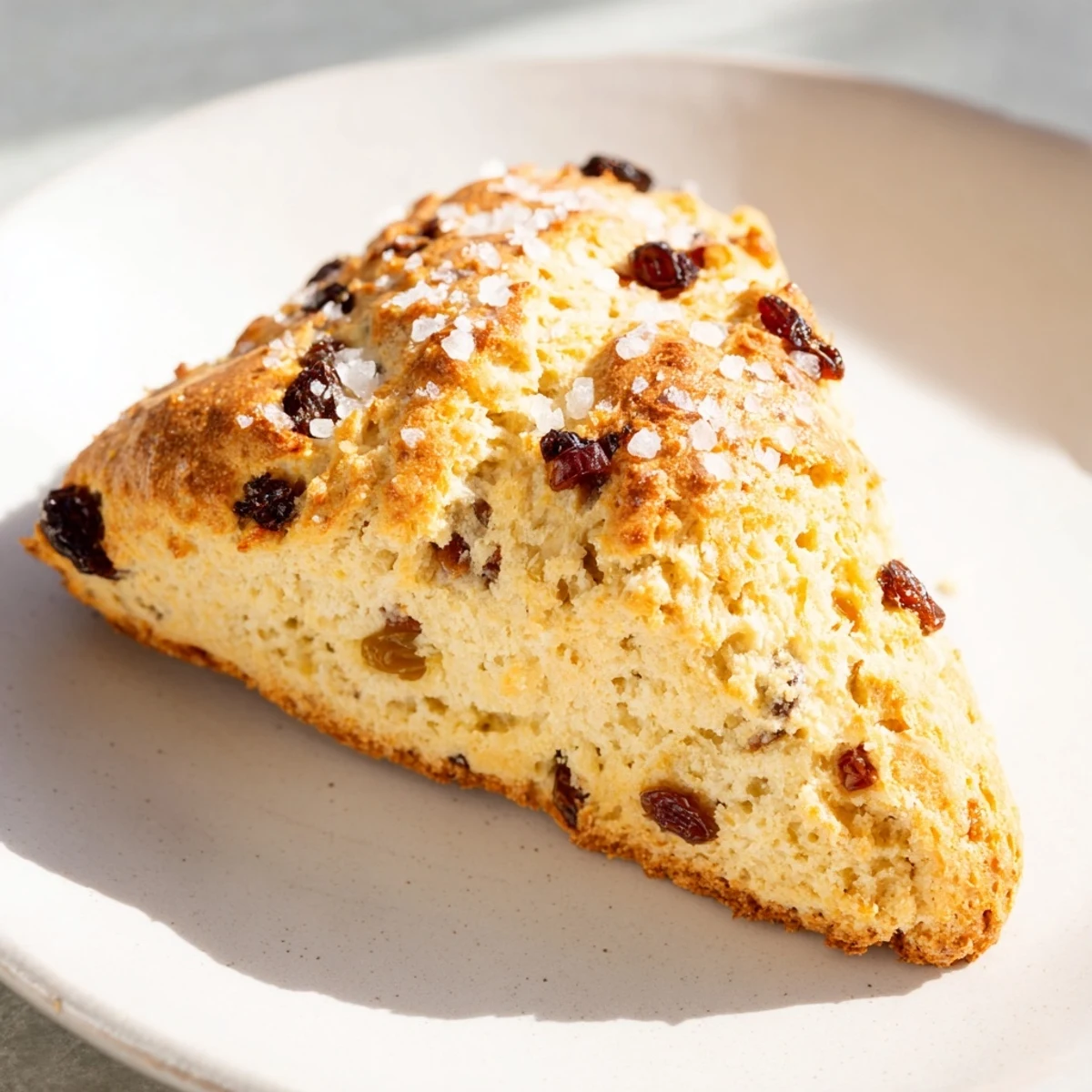
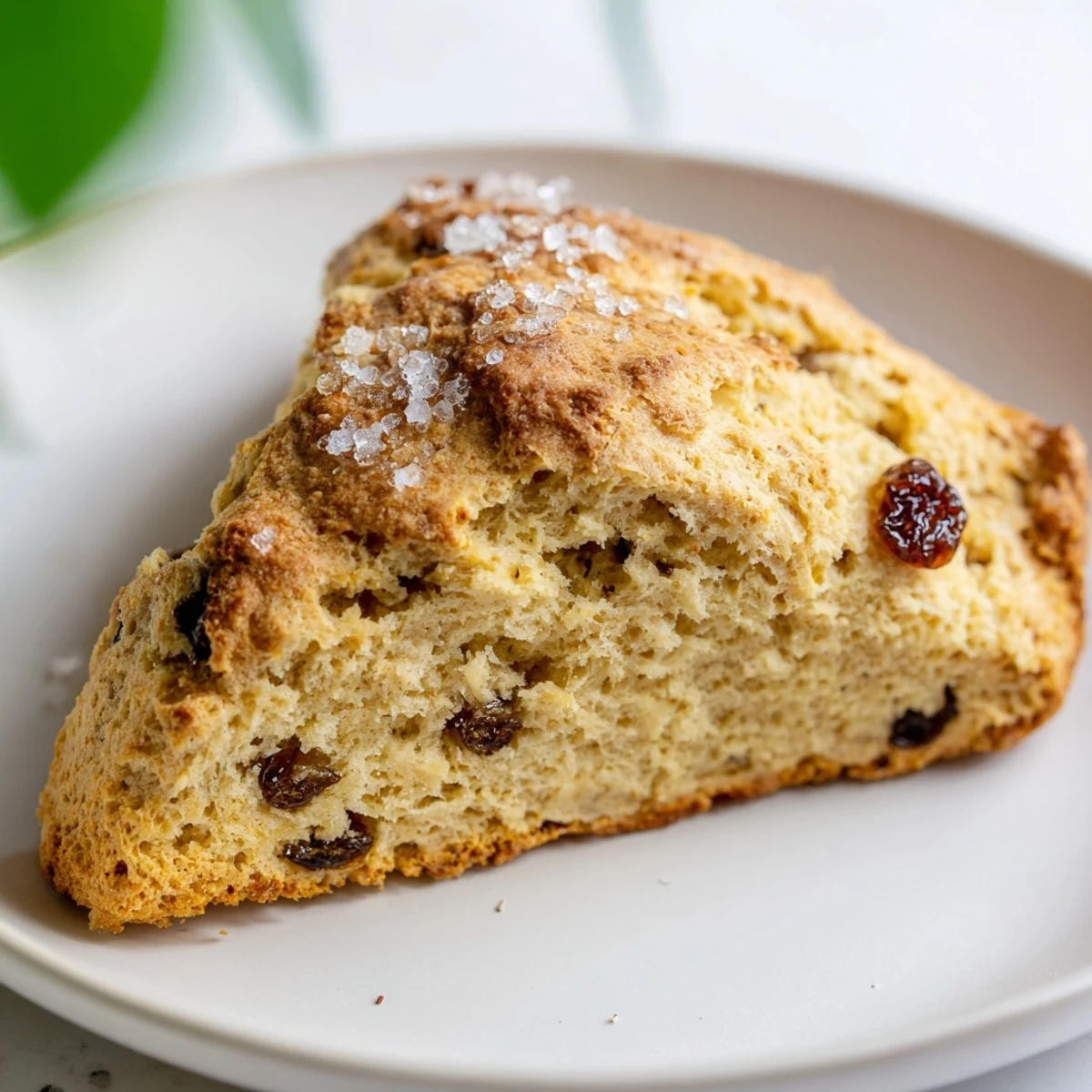
Save These Irish soda bread scones combine a tender, buttery texture with the sweet burst of currants throughout. Made from a blend of all-purpose and whole wheat flours, leavened lightly with baking soda and powder, they bake up with a golden, slightly crisp crust. Ideal for breakfast or a cozy snack, each scone offers a rich flavor with simple ingredients like cold butter and buttermilk, making the dough easy to handle. Easily customized by swapping currants for raisins or dried cranberries, they’re perfect when served warm with butter or jam.
My grandmother never measured anything when she made soda bread, but she taught me to trust my hands. These scones bridge that old-world instinct with the precision we sometimes need. I started making them on snowy weekends when the house felt too quiet, and now the smell of baking scones feels like home.
Last March, I made a batch for a friend who was homesick for Dublin. She took one bite and started crying, which I took as the highest possible compliment. Now I always keep currants in the pantry, just in case someone needs a little comfort.
Ingredients
- 2 cups all-purpose flour: The structure that holds everything together, though Ive learned not to pack it down when measuring
- 1/2 cup whole wheat flour: Adds nutty depth and reminds me of the brown bread I ate in County Cork
- 1/4 cup granulated sugar: Just enough sweetness to balance the tangy buttermilk without becoming dessert
- 1 teaspoon baking soda: The traditional Irish leavener that reacts instantly with buttermilk
- 1 teaspoon baking powder: Extra insurance for reliable lift, especially on humid days
- 1/2 teaspoon fine sea salt: Enhances all the flavors and contrasts the sweet currants
- 1/2 cup currants: These tiny jewels burst with sweetness in every bite, better than raisins for their delicate size
- 4 tablespoons cold unsalted butter: Cold butter creates those tender flaky pockets that make scones worth eating
- 1 cup cold buttermilk: The secret to traditional Irish quick breads, adding tang and tenderness
- 1 large egg: Provides richness and helps bind the dough without making it tough
- 1 tablespoon buttermilk for brushing: Gives the tops that beautiful golden sheen
- 1 tablespoon coarse sugar for sprinkling: Creates a crackling sweet crust that contrasts the tender crumb
Instructions
- Get your oven ready:
- Preheat to 400°F and line a baking sheet with parchment paper, because nothing ruins morning baking like stuck scones.
- Whisk the dry ingredients:
- In a large bowl, combine both flours, sugar, baking soda, baking powder, and salt until everything is evenly distributed.
- Cut in the butter:
- Work the cold butter cubes into the flour with your fingertips or pastry cutter until the mixture looks like coarse crumbs with some pea-sized pieces remaining.
- Add the currants:
- Toss them through the flour mixture so each scone will have plenty of those sweet little pockets.
- Mix the wet ingredients:
- Whisk the buttermilk and egg together in a separate bowl until combined.
- Bring the dough together:
- Pour the wet mixture into the dry and stir gently until just combined—a shaggy, slightly sticky dough is exactly what you want.
- Shape and portion:
- Turn the dough onto a floured surface, pat it into a 1-inch thick round, and cut into 8 wedges like a pie.
- Finish and bake:
- Arrange wedges on your prepared sheet, brush with buttermilk, sprinkle with coarse sugar, and bake for 18 to 20 minutes until deeply golden.
 Save
Save My sister once doubled the recipe and forgot the sugar entirely. We still ate every last one, slathering them with jam to compensate, but now I measure twice before mixing.
Making Ahead
You can cut the wedges and freeze them raw on a baking sheet, then transfer to a bag for storage. Bake from frozen, adding a few minutes to the time, and you will have fresh scones on demand.
Serving Suggestions
These are best eaten warm, split open with salted butter melting into the crumb. I also love them with sharp cheddar and apple slices for a savory twist.
Storage and Freezing
Fresh scones keep for two days at room temperature, though they are honestly best within hours. For longer storage, freeze cooled scones in an airtight bag and reheat at 350°F for about 8 minutes to restore that freshly baked magic.
- Wrap cooled scones individually if you plan to grab them for breakfast on the go
- Never refrigerate baked scones—they turn stale faster than at room temperature
- Reheat frozen scones directly from the freezer, no thawing needed
 Save
Save There is something deeply satisfying about turning simple ingredients into something so comforting in under an hour. I hope these become part of your own morning rituals.
Recipe FAQs
- → What gives these scones their tender texture?
-
The combination of cold butter rubbed into the flour and the acidity from buttermilk creates a tender, flaky texture in the scones.
- → Can I substitute the currants with other dried fruits?
-
Yes, raisins or dried cranberries make excellent substitutes and provide a similar sweet burst in each bite.
- → How should the dough be handled to ensure best results?
-
Mix the dough gently just until combined to avoid overworking, which helps keep the scones light and tender.
- → What is the ideal baking temperature for these scones?
-
Baking at 400°F (200°C) ensures a golden crust while keeping the interior soft and moist.
- → How can leftover scones be stored or reheated?
-
Store leftovers wrapped in foil or airtight containers, and reheat in a warm oven for a fresh-baked texture.