
 Save
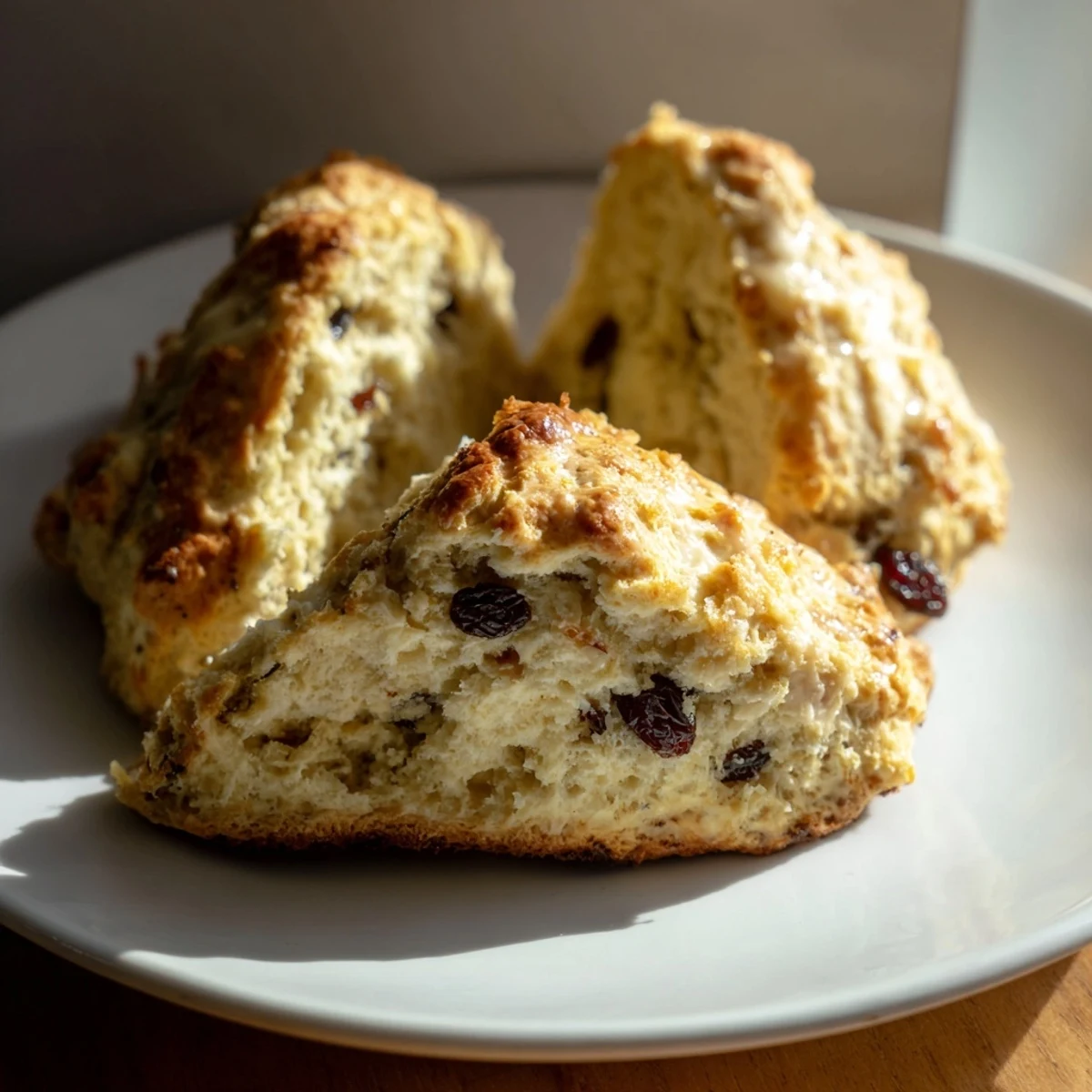
Save These Irish soda bread scones combine tender crumb with the subtle sweetness of currants, finished with a golden crust. Using simple pantry staples like flour, baking soda, and buttermilk, the dough comes together quickly and bakes to perfection in just 18 minutes. Their soft texture and balanced flavors make them an inviting choice for breakfast or afternoon tea. Easily adaptable with add-ins like raisins or apricots, these scones bring a warm, comforting element to any table.
The rain was beating against my kitchen window last Tuesday when I found myself craving something warm from the oven. These scones came together in a flash, filling the entire house with that irresistible baked goodness smell that makes everyone wander into the kitchen wondering what's happening. My roommate took one bite and immediately asked if I could make them again the next weekend. Now they have become our go-to whenever we need a little comfort.
I first made these on a whim when my sister called to say she was dropping by unexpectedly. The oven was already warming up before I even hung up the phone. We sat at the kitchen table for hours, sipping tea and breaking apart warm scones slathered with butter, completely losing track of time. Sometimes the simplest recipes create the best moments.
Ingredients
- 2 cups (250 g) all-purpose flour: The foundation that gives these scones their structure and tender crumb
- 2 tbsp granulated sugar: Just enough sweetness to balance the tangy buttermilk without making them dessert-like
- 1 tsp baking soda: The traditional Irish leavening that creates that characteristic rise and texture
- 1 tsp baking powder: Works with the soda to ensure your scones puff up beautifully in the oven
- 1/2 tsp fine sea salt: Enhances all the flavors and keeps the scones from tasting flat
- 1/2 cup (75 g) dried currants: These tiny jewels of sweetness pop up in every bite without overwhelming the delicate flavor
- 1 cup (240 ml) buttermilk, cold: Creates tenderness and reacts with the soda for that classic Irish soda bread rise
- 1 large egg: Adds richness and helps bind everything together into a cohesive dough
- 3 tbsp (45 g) unsalted butter, melted and cooled slightly: Contributes to a tender texture and that wonderful buttery taste
- 2 tbsp buttermilk: Brushing the tops gives them that gorgeous golden finish and slight shine
Instructions
- Get your oven ready:
- Preheat to 400°F (200°C) and line a baking sheet with parchment paper so nothing sticks
- Whisk the dry ingredients:
- In a large bowl, combine the flour, sugar, baking soda, baking powder, and salt until everything is evenly distributed
- Add the currants:
- Toss them into the flour mixture and stir well so they will be scattered throughout every scone
- Mix the wet ingredients:
- In a separate bowl, whisk together the cold buttermilk, egg, and melted butter until smooth
- Bring it together:
- Pour the wet ingredients into the dry and gently fold with a fork until just combined
- Shape the dough:
- Turn onto a lightly floured surface and pat into a round about 1 inch thick
- Cut and arrange:
- Slice into 8 wedges and place on your prepared baking sheet with some space between them
- Add the finishing touch:
- Brush the tops with buttermilk using a pastry brush for that beautiful golden color
- Bake to perfection:
- Slide into the oven for 16 to 18 minutes until deeply golden and a toothpick comes out clean
- Serve them up:
- Let cool for just a few minutes on the sheet, then enjoy while still slightly warm
 Save
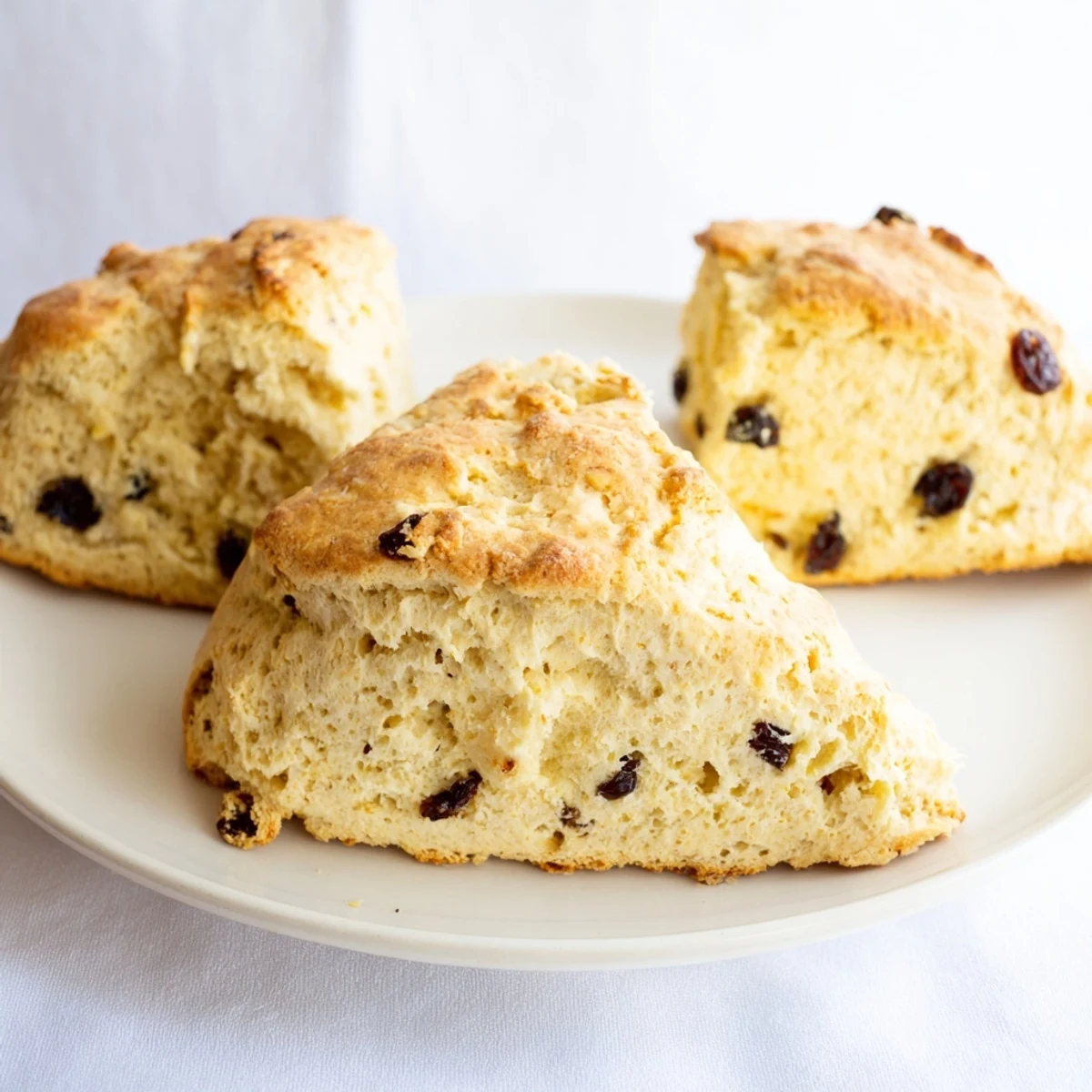
Save These scones have become a Sunday morning ritual in our house. The smell of them baking somehow makes everything feel right with the world. Last weekend, my neighbor actually knocked on the door to ask what I was making because the aroma had drifted all the way down the street. That is the kind of recipe worth keeping in your back pocket.
Making Them Your Own
The beauty of this recipe lies in how adaptable it is while still delivering that classic Irish soda bread character. Once you have mastered the basic technique, feel free to experiment with different dried fruits or nuts. The currants are traditional, but there is plenty of room for creativity here.
Storage Tips
These scones are best enjoyed the day they are made, ideally within a few hours of baking while still slightly warm. If you need to keep them longer, store in an airtight container at room temperature for up to two days. For longer storage, wrap well and freeze for up to three months.
Serving Suggestions
There is something magical about breaking into a warm scone and watching the steam escape. I love serving these with a generous slab of salted butter and maybe some strawberry jam. The contrast between the slightly tangy scone and sweet jam is absolute perfection. For a more indulgent treat, clotted cream takes these to a whole new level.
- Pair with a strong cup of Irish breakfast tea for the full experience
- Serve alongside a bowl of soup for a comforting lunch
- Split and toast leftover scones the next day for breakfast
 Save
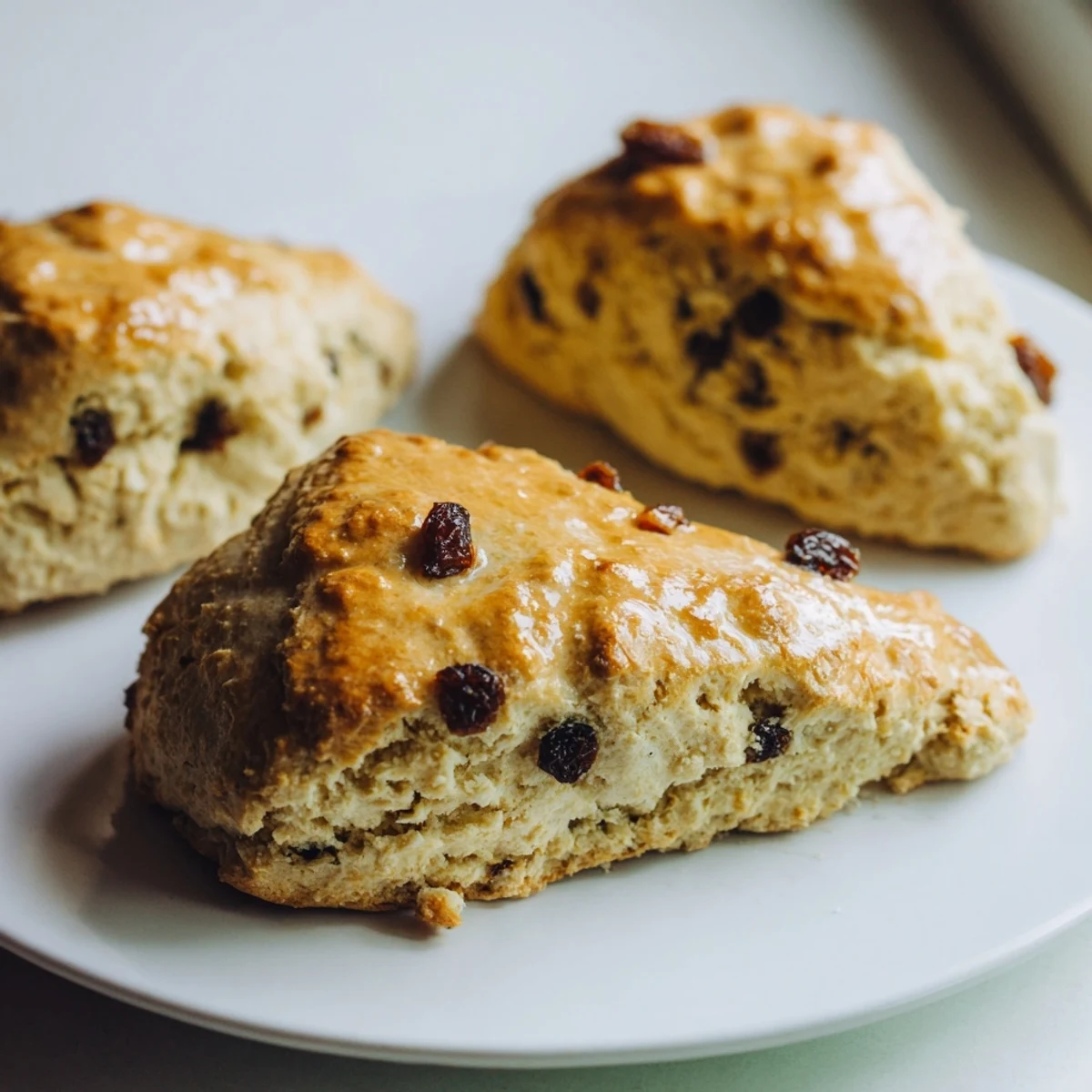
Save There is something deeply satisfying about a recipe that connects you to generations of bakers while still feeling fresh and modern. I hope these scones bring as much warmth to your kitchen as they have to mine.
Recipe FAQs
- → What gives these scones their light texture?
-
The combination of baking soda and baking powder helps the dough rise, while buttermilk adds tenderness, resulting in a soft, airy crumb.
- → Can dried currants be substituted?
-
Yes, raisins or chopped dried apricots can be used as alternatives without affecting the overall texture significantly.
- → Why is buttermilk used in the dough?
-
Buttermilk reacts with the baking soda to provide lift and a subtle tang, enhancing both texture and flavor.
- → How should the scones be served for best taste?
-
They are delicious warm or at room temperature, especially paired with Irish butter and jam for an authentic touch.
- → Can these scones be made richer?
-
Adding sour cream to the wet ingredients enriches the dough, resulting in a moister, more tender scone.