
 Save
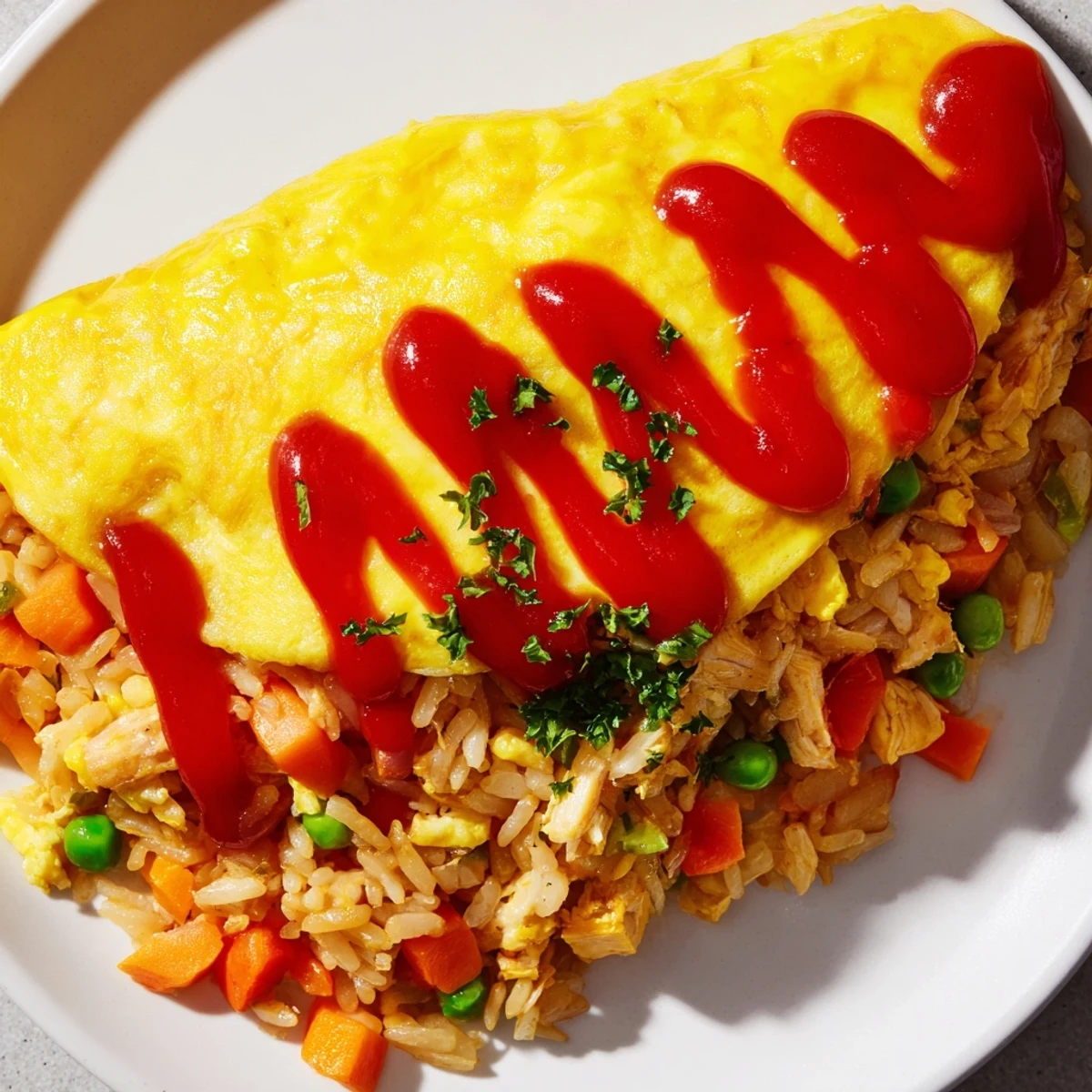
Save Create this classic Japanese comfort dish featuring seasoned fried rice wrapped in a delicate, fluffy omelet. The magic lies in the perfectly set but still creamy egg envelope that hugs the savory ketchup-infused rice. Achieving restaurant-quality results at home requires just a few key techniques: using day-old rice for optimal texture, mastering the timing of the omelet fold, and drizzling with that signature ketchup finish. The entire dish comes together in just 30 minutes, making it perfect for a quick yet satisfying dinner.
My tiny Tokyo apartment kitchen barely fit two people, but that's where I first watched a roommate make omurice with this effortless grace I couldn't replicate. The way she folded that silky egg over the rice looked like magic until I realized it was mostly about confidence and timing. Now it's my go-to when I need dinner that feels like a hug.
Last winter my friend came over exhausted from work and I made this without really measuring anything. She sat at my counter watching the steam rise off the plates and said it was exactly what she needed. Sometimes food is just that simple.
Ingredients
- 2 cups cooked Japanese short-grain rice: Day-old rice is non-negotiable here—fresh rice turns into mush and I learned this the disappointing way
- 100 g boneless chicken thigh or breast: Thighs stay juicier but breast works fine if that's what you have
- 1/4 medium onion, finely chopped: The sweetness balances the tangy ketchup perfectly
- 1/4 medium carrot, finely diced: Small pieces cook evenly and disappear into the rice
- 1/4 cup frozen peas: These add little pops of sweetness and color
- 1 tablespoon vegetable oil: Neutral oil lets the other flavors shine
- 2 tablespoons ketchup: More than you'd expect but this is what makes it omurice not just fried rice
- 1 tablespoon soy sauce: Adds that essential savory depth
- Salt and black pepper: Trust your tastebuds at the end
- 4 large eggs: Room temperature eggs cook more evenly
- 2 tablespoons whole milk: Makes the eggs extra tender
- 1 tablespoon unsalted butter: Butter gives the eggs that restaurant-quality richness
- 2 tablespoons ketchup for topping: The classic finish that everyone recognizes
- Fresh parsley: Optional but makes it look like you tried harder than you did
Instructions
- Build your flavor base:
- Heat oil in a large skillet over medium heat and cook the chicken until it's just browned and cooked through. Add onion and carrot, sautéing until they soften and smell sweet, about 2-3 minutes.
- Make the fried rice:
- Stir in peas then dump in the cooked rice, breaking up clumps with your spoon. Pour in ketchup and soy sauce, mixing until every grain is coated and the rice turns that perfect orange-red color. Taste and adjust with salt and pepper, then shape into two oval mounds on serving plates.
- Whisk the eggs:
- Beat eggs with milk and a pinch of salt until completely combined but not frothy. Heat butter in a nonstick skillet over medium heat until it foams slightly.
- Create the omelet:
- Pour in half the egg mixture, swirling to coat the pan evenly. When the bottom is set but the top is still slightly runny, slide one rice portion onto one side and gently fold the omelet over it like a blanket.
- Finish and serve:
- Carefully transfer to your plate seam side down and repeat with the second portion. Drizzle ketchup on top in whatever pattern makes you happy and sprinkle with parsley if you're feeling fancy.
 Save
Save My niece calls this ketchup eggs and gets disproportionately excited every time I make it. Watching her dig in with such focus reminds me that the best food rarely needs complicated techniques.
Getting That Restaurant Texture
The secret to those impossibly smooth omurice eggs you see in videos is mostly about not overcooking them. Practice your folding motion with an empty pan first—it's more about confidence than technique.
Making It Your Own
I've made this with ham instead of chicken when that's what I had in the fridge, and honestly it might be even better. The salty ham plays beautifully with the sweet ketchup.
Serving It Right
A simple green salad on the side cuts through the richness, or miso soup if you want to lean into the Japanese comfort food vibe. Either way, serve it hot.
- Miso soup takes five minutes and makes the meal feel complete
- A cold cucumber salad balances the warm rice perfectly
- This reheats okay but the texture is never quite the same
 Save
Save There's something deeply satisfying about cutting into that egg and watching it spill over the rice. It's comfort food that actually feels like a small accomplishment.
Recipe FAQs
- → Why use day-old rice for omurice?
-
Day-old rice has dried out slightly, which prevents it from becoming mushy during frying. The grains separate easily and absorb the ketchup and soy sauce seasonings more effectively, creating the perfect texture for this dish.
- → How do I get the omelet texture right?
-
The key is removing the eggs from the pan while they're still slightly runny on top. This residual heat continues cooking the eggs gently as you fold them over the rice, resulting in that signature creamy, custard-like texture that Japanese cuisine is famous for.
- → Can I make this dish vegetarian?
-
Absolutely. Simply omit the chicken and increase the vegetables. Bell peppers, mushrooms, corn, or bean sprouts work wonderfully as alternatives. You might want to add extra soy sauce or a touch of Worcestershire sauce to maintain depth of flavor.
- → What can I serve alongside omurice?
-
A crisp green salad with vinaigrette helps cut through the richness. Miso soup is another traditional accompaniment that adds warmth and balance. Some people enjoy pickled vegetables or a simple cucumber salad on the side.
- → Is omurice suitable for meal prep?
-
While best enjoyed immediately, you can prepare the fried rice component in advance and store it refrigerated for up to 2 days. However, the omelet should be made fresh as reheating affects its delicate texture significantly.
- → What's the difference between Japanese and Western omelets?
-
Japanese omelets like in omurice are cooked until just set and remain slightly creamy inside, unlike Western versions which are typically fully cooked through. This technique requires precise heat control and timing.