
 Save
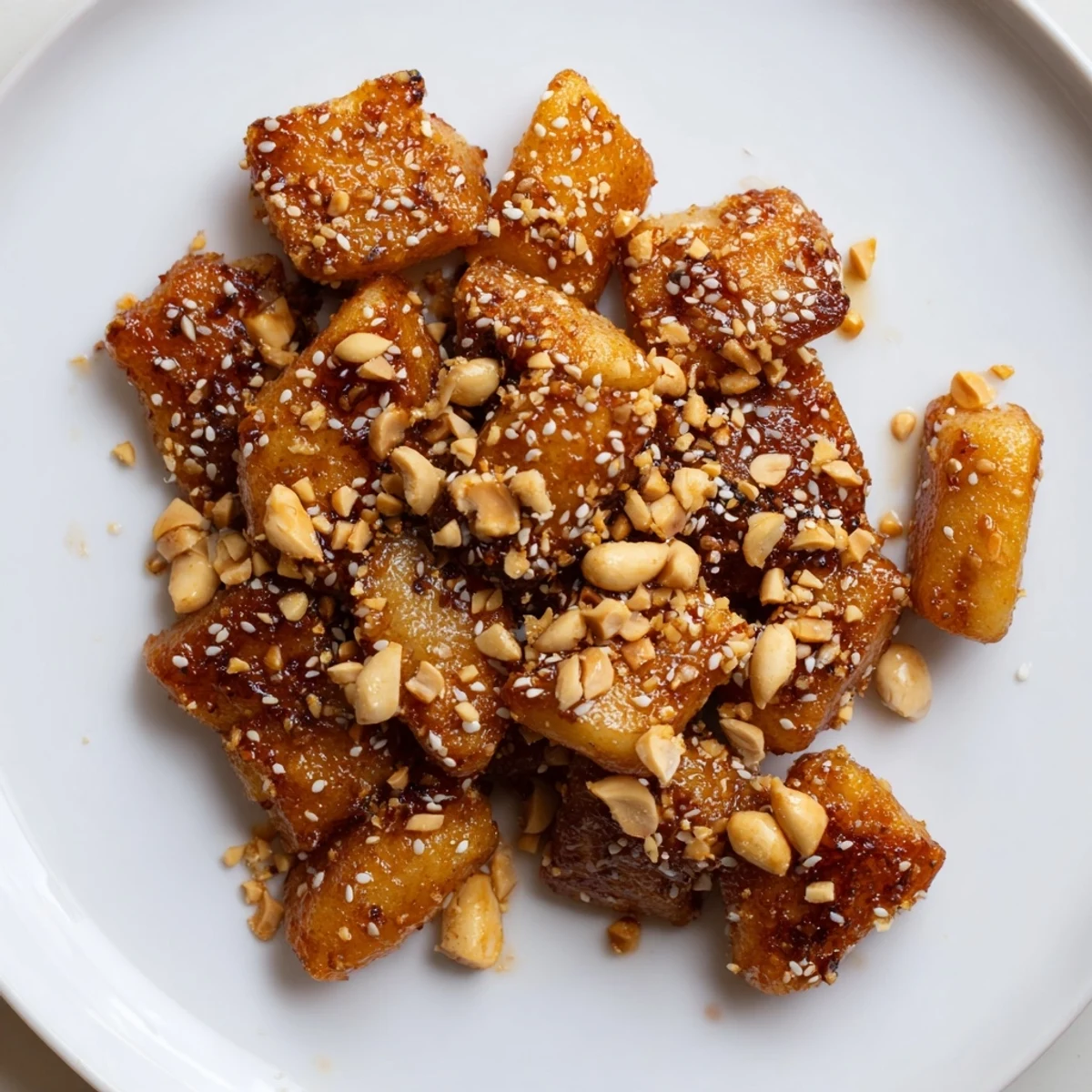
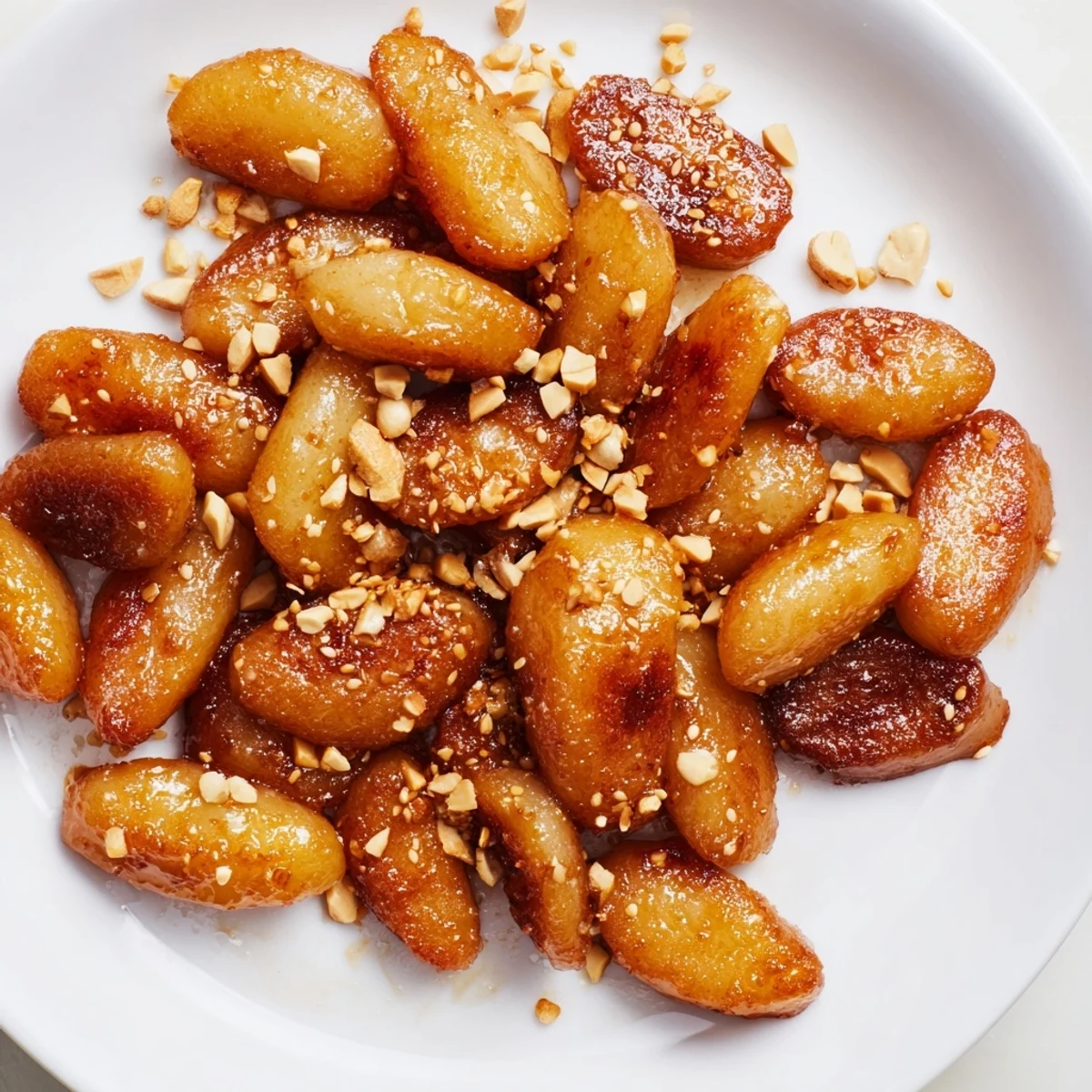
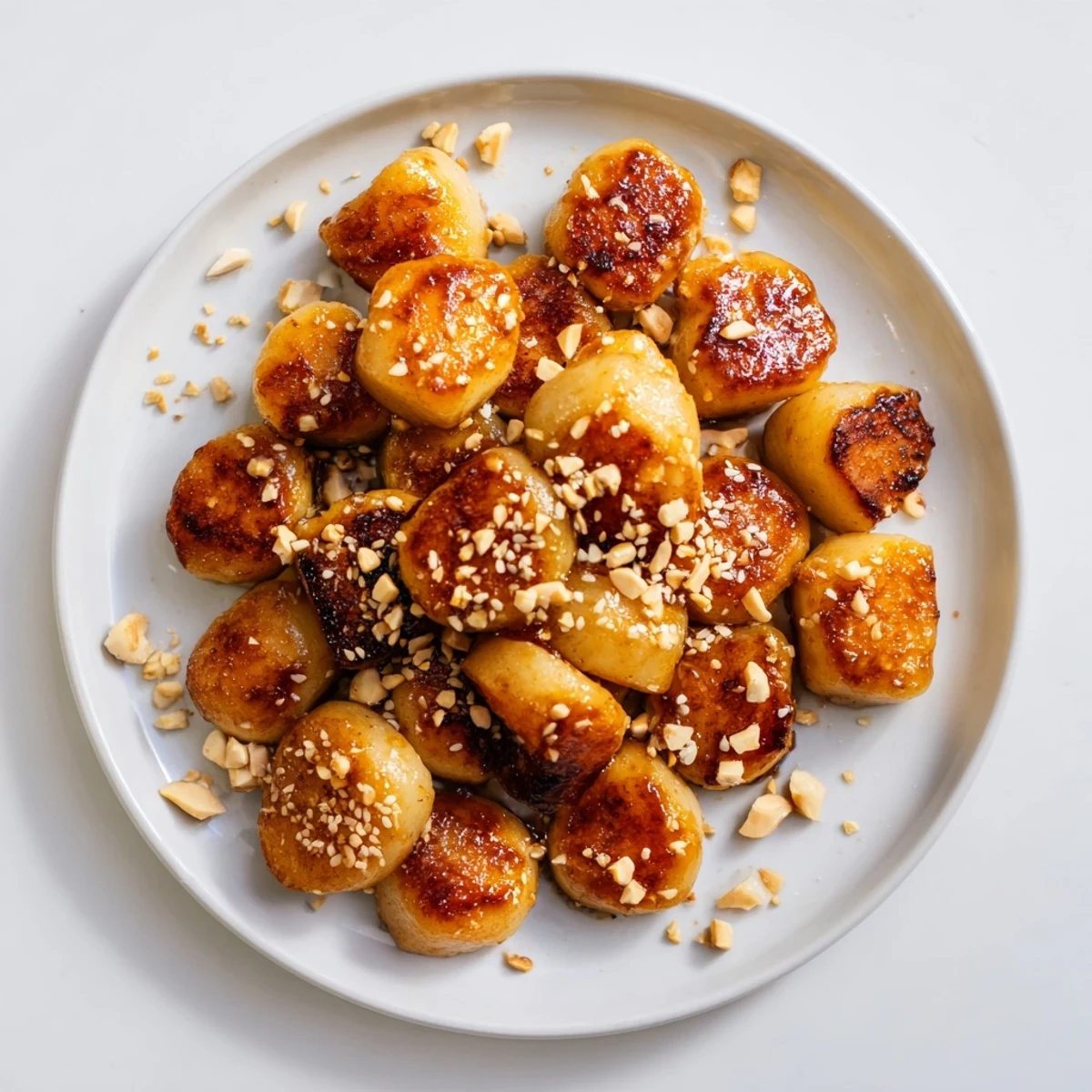
Save These Korean pan fried rice cakes feature chewy tteok cooked until golden and crispy, then tossed in a rich sweet butter glaze made with honey, brown sugar, and soy sauce. The result is glossy, sticky, and irresistibly sweet-savory. Perfect as a snack or dessert, this vegetarian dish comes together in just 20 minutes and serves four.
The first time I encountered these golden rice cakes was in a tiny Seoul alley shop where an elderly grandmother tended her sizzling pan. The buttery honey aroma stopped me in my tracks, drawing me in like a magnet. Now whenever I make them at home, that same sweet scent fills my kitchen and instantly transports me back to that bustling street corner.
I once made these for a casual dinner party, planning them as just a small appetizer. My friends hovered around the pan, stealing pieces straight from the skillet until I had to make a second batch. Now they request them every time, and honestly, I never mind an excuse to eat more.
Ingredients
- Korean cylinder-style rice cakes (tteok): These chewy rice cylinders are the heart of the dish. Fresh ones yield the best texture, but thawed frozen ones work beautifully if you give them a proper warm bath first.
- Neutral oil: Canola or vegetable oil creates that foundation crispness without interfering with the delicate sweet butter flavors coming later.
- Unsalted butter: Butter builds the luxurious base for our glaze. Using unsalted lets you control exactly how salty the final dish becomes.
- Honey or maple syrup: This natural sweetener creates that gorgeous sticky coating. Honey brings floral notes while maple adds depth, both are equally delicious.
- Brown sugar: The molasses in brown sugar adds caramel undertones that make the glaze taste more complex and rich.
- Soy sauce: Just one tablespoon provides the perfect salty counterpoint to all that sweetness, keeping the glaze from becoming cloyingly sweet.
- Toasted sesame seeds: These tiny seeds add nutty crunch and a beautiful contrast against the glossy golden coating.
Instructions
- Soften the rice cakes:
- If your rice cakes have been chilling in the fridge or freezer, give them a warm soak for 10 to 15 minutes until they bend slightly and feel pliable again. Pat them completely dry so they fry properly instead of steam.
- Prep your pieces:
- Slice any long cylinders into manageable 2-inch pieces. Uniform sizing helps everything cook at the same rate, which means more consistent golden crunch all around.
- Get the pan heating:
- Warm your oil in a large nonstick skillet over medium heat. You want the pan hot enough that the rice cakes sizzle immediately but not so hot that they burn before cooking through.
- Create the golden crust:
- Add rice cakes in a single layer without overcrowding. Let them develop a deep golden color on each side, turning them carefully every couple of minutes until crispy all over.
- Build the buttery glaze:
- Push those crispy cakes to one side and drop your butter into the empty space. Watch it melt and foam, then stir in honey, brown sugar, soy sauce, and that tiny pinch of salt.
- Coat everything thoroughly:
- Toss the rice cakes through the glaze, turning them repeatedly until every piece wears that beautiful sticky sheen. Let them cook for another minute or two so the glaze really sets and caramelizes slightly against the crispy exterior.
- Finish and serve:
- Transfer to your serving plate and immediately sprinkle with toasted sesame seeds while the glaze is still tacky so they adhere beautifully. Add chopped peanuts if you want extra crunch, then serve these while they are still warm and at their most irresistible.
 Save
Save My daughter now requests these for special breakfast occasions, claiming the sticky glaze makes everything feel like a celebration. There is something deeply satisfying about watching people experience that first bite of chewy, sweet, salty bliss and seeing their eyes light up.
The Secret to Perfect Texture
Fresh rice cakes from Korean markets yield the most authentic chew, but do not worry if you can only find frozen ones. The warm water soak trick brings them back to life beautifully, and honestly, once they are coated in that buttery glaze, nobody can tell the difference anyway.
Glaze Variations
Sometimes I add a pinch of cinnamon to the glaze when I am craving something reminiscent of churros. Other times, a tiny drop of sesame oil in the butter adds incredible depth. The base recipe is so forgiving that small tweaks always seem to work out beautifully.
Serving Ideas
These shine as street food style snacks but also work as an unexpected dessert course. I have served them alongside vanilla ice cream for a sweet and salty dessert that always gets people talking. The contrast between hot sticky rice cakes and cold creamy ice cream is absolutely worth trying.
- Make extra glaze if you are serving a crowd because everyone will want more coating on their portion.
- Keep a bowl of water nearby for sticky fingers.
- These are best eaten the moment they are made for that ideal crispy chewy texture.
 Save
Save These rice cakes have become one of those recipes I return to again and again because they never fail to make people happy. Simple ingredients, magical results, and the kind of food that creates memories worth repeating.
Recipe FAQs
- → What type of rice cakes work best?
-
Korean cylinder-style rice cakes called tteok or garaetteok are ideal. You can find them fresh, refrigerated, or frozen at Asian markets. Fresh or thawed cakes yield the best chewy texture.
- → Can I make this vegan?
-
Yes, substitute the butter with vegan butter and use maple syrup instead of honey. The glaze will still be deliciously sweet and glossy.
- → How do I store leftovers?
-
These are best enjoyed fresh while still warm and crispy. Leftovers can be refrigerated but the texture will soften. Reheat in a pan to restore some crispiness.
- → What if my rice cakes are too hard?
-
Soak refrigerated or frozen rice cakes in warm water for 10-15 minutes before cooking. This softens them and ensures even frying.
- → Can I adjust the sweetness?
-
Absolutely. Reduce the honey or brown sugar for a less sweet glaze, or add more for extra caramelization. The soy sauce provides balance to the sweetness.