
 Save
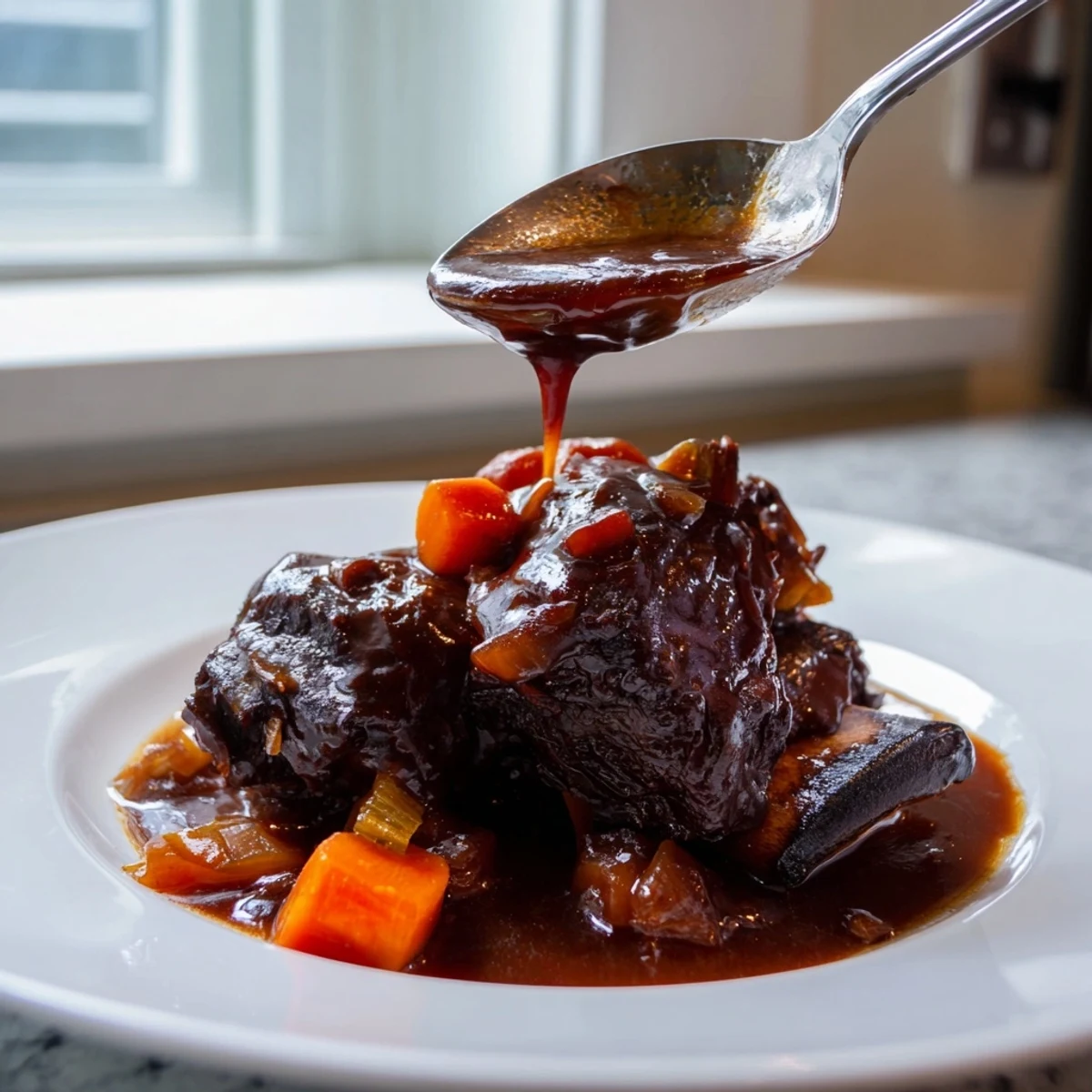
Save These tender oven braised beef short ribs are seared to a deep golden crust, then slowly simmered in a rich red wine and beef broth sauce alongside aromatic vegetables and fresh herbs.
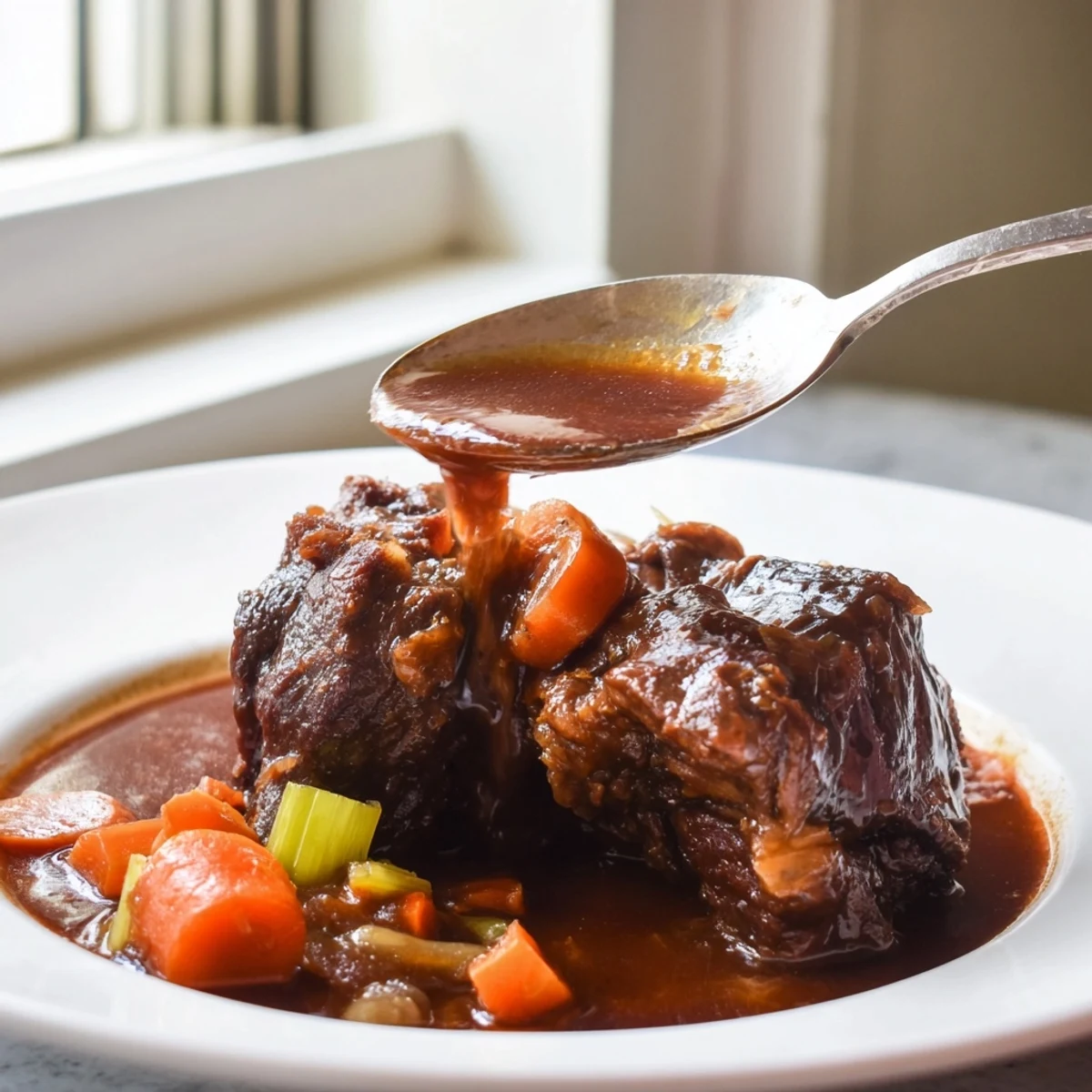
After nearly three hours in the oven, the meat becomes incredibly fork-tender and practically falls off the bone. The braising liquid reduces into a luscious, deeply flavored sauce that pairs beautifully with creamy mashed potatoes or polenta.
A classic French-inspired dish that transforms humble short ribs into an elegant meal worthy of any special occasion or cozy weekend dinner.
The smell of red wine hitting a hot cast iron pot is enough to make anyone forget whatever else was happening that day, and that is exactly why oven braised beef short ribs became my answer to every difficult week. Something about the low slow transformation from tough cuts into something impossibly tender feels less like cooking and more like a favor you do for yourself. The French understood this centuries ago, and honestly, we should all be grateful they passed the technique along.
A friend once told me that braising is just patience dressed up as cooking, and I think about that every single time I lift the lid off my Dutch oven after three hours. The steam carries thyme and rosemary and something almost sweet from the reduced wine, and for a moment the kitchen feels like the only place worth being. That same friend now requests these ribs every birthday without fail.
Ingredients
- 4 lbs bone in beef short ribs: Bone in is nonnegotiable here because the marrow melts into the braising liquid and creates a silkiness you simply cannot get otherwise, so do not even think about going boneless.
- Salt and freshly ground black pepper: Season the ribs more aggressively than you think is necessary because the long braise will mellow everything out significantly.
- 2 tbsp olive oil: A neutral oil works too, but olive oil adds a subtle fruitiness that complements the wine beautifully.
- 1 large onion, chopped: Cut it into pieces roughly the size of your thumbnail, which is the sweet spot between disappearing into the sauce and adding texture.
- 2 carrots, chopped: They bring a natural sweetness that balances the acidity of the wine and tomato paste, so do not skip them even if you are tempted.
- 2 celery stalks, chopped: Celery is the quiet backbone of any good braise, contributing an earthy base note without calling attention to itself.
- 4 garlic cloves, minced: Fresh garlic only, and mince it finer than you think you need to because the long cook time will soften even chunky pieces into something sweet and mellow.
- 2 tbsp tomato paste: This small amount does heavy lifting by adding umami depth and helping the sauce achieve that gorgeous dark color.
- 2 cups dry red wine: Use something you would actually drink, because you can taste a bad wine even more after it concentrates in a braise.
- 2 cups beef broth: Low sodium is best so you can control the salt level throughout the cooking process.
- 2 sprigs fresh thyme and 2 sprigs fresh rosemary: Fresh herbs are worth the trouble here because dried versions cannot deliver the same fragrant oils that perfume the entire dish.
- 2 bay leaves: Just remember to fish them out before serving, unless you enjoy the element of surprise.
Instructions
- Preheat and season:
- Set your oven to 325 degrees Fahrenheit and while it heats, pat every surface of the short ribs completely dry with paper towels before showering them generously with salt and pepper, because wet meat steams instead of sears.
- Sear the ribs:
- Heat olive oil in your Dutch oven over medium high heat until it shimmers, then lay the ribs in without crowding and let them sit undisturbed until a deep brown crust forms, about 3 to 4 minutes per side, before transferring them to a plate and resisting the urge to move them around prematurely.
- Build the vegetable base:
- In the same pot with all those beautiful browned bits still clinging to the bottom, toss in the onion, carrots, and celery, stirring until they soften and begin to caramelize, about 5 minutes, then add the garlic for just one minute more until your kitchen smells incredible.
- Add tomato paste and wine:
- Stir the tomato paste into the vegetables and let it cook for a minute until it darkens slightly, then pour in the entire bottle of red wine, scraping up every last bit of fond from the bottom of the pot because that is where all the flavor lives, and let it boil until reduced by half.
- Braise low and slow:
- Nestle the seared ribs back into the pot, pour in the beef broth, and tuck in the herb sprigs and bay leaves so the liquid comes up almost to the top of the ribs, then bring it to a simmer on the stovetop before covering with a tight lid and sliding the whole pot into the oven for 2 and a half to 3 hours.
- Finish the sauce:
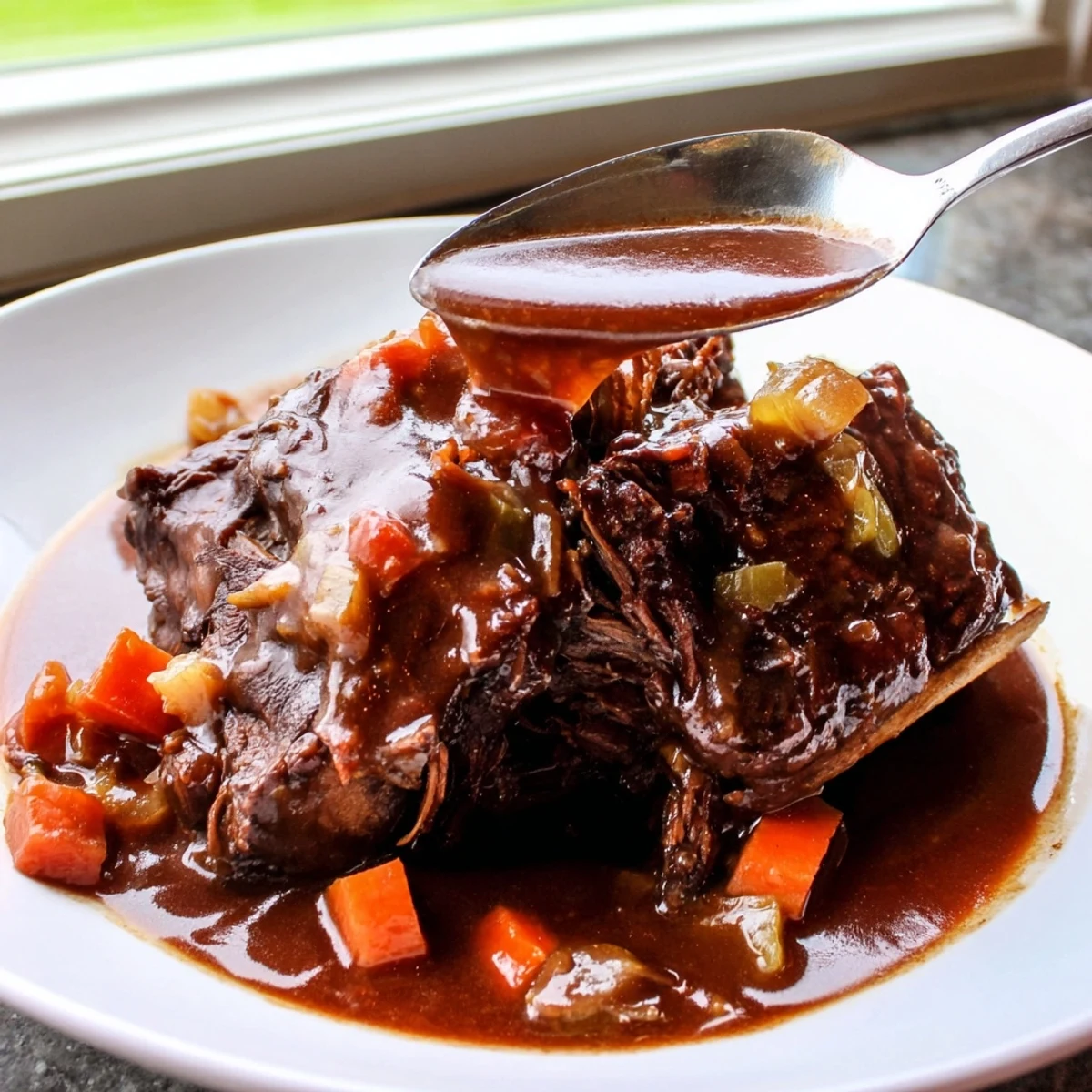
- When the meat yields to a fork with barely any pressure and threatens to slide right off the bone, carefully transfer the ribs and vegetables to a serving platter, then strain the braising liquid and skim off the fat before reducing it on the stovetop until it coats the back of a spoon.
- Serve and enjoy:
- Spoon the glossy reduced sauce generously over the ribs and whatever side you have chosen, because the sauce is really the whole point of this exercise.
 Save
Save There was a Sunday in November when the power went out just after I put the pot in the oven, and I sat on the kitchen floor with a flashlight reading a cookbook while the residual heat finished the job. The ribs were maybe the best I ever made, though that could have been the circumstances talking.
Choosing the Right Wine for Braising
You want a dry red with enough tannin and acidity to stand up to hours of cooking, which means Cabernet Sauvignon, Merlot, or a sturdy Côtes du Rhône are all excellent choices that will not let you down. Avoid anything labeled sweet or dessert wine, and stay away from oaky California reds that can turn bitter during a long braise. If you would happily pour it into a glass on a Tuesday evening, it will do right by your short ribs.
What to Serve Alongside
Creamy mashed potatoes are the classic answer and for good reason because they create the perfect landing pad for all that rich sauce, but polenta works beautifully too if you want something with a bit more texture. A simple bitter green like roasted radicchio or sauteed escarole cuts through the richness in a way that makes you want a second helping. Crusty bread for sauce sopping is not optional, it is mandatory, and I will not be taking questions on this.
Making It Ahead and Reheating
Short ribs are one of those rare dishes that genuinely taste better the next day, because the sauce thickens and the flavors settle into something deeper and more cohesive overnight in the refrigerator. I almost always make them a day ahead now, refrigerate everything in the same pot, then gently reheat on the stovetop the next evening while skimming off the solidified fat that rises to the top. It takes the pressure off whatever occasion you are cooking for, and your guests will never know how easy it was.
- Fat solidifies on the surface when chilled, making it effortless to scoop off before reheating.
- Gently reheat over medium low heat rather than boiling, which can toughen the meat.
- Always taste the sauce after reheating because it sometimes needs a small pinch of salt or a squeeze of lemon to wake back up.
 Save
Save Some meals feed you and some meals remind you why cooking is worth the effort, and these braised short ribs have a funny way of doing both at once. Make them when you have time, share them with someone worth slowing down for, and let the oven do the rest.
Recipe FAQs
- → What cut of beef works best for braising?
-
Bone-in beef short ribs are ideal for braising because the bone adds richness and the connective tissue breaks down during slow cooking, resulting in exceptionally tender meat. Boneless short ribs or beef chuck can also work well.
- → Can I prepare braised short ribs ahead of time?
-
Yes, braised short ribs actually taste better the next day. The flavors deepen and meld as the dish rests. Simply refrigerate after cooking, then reheat gently on the stovetop or in a 325°F oven until warmed through.
- → What type of red wine should I use for braising?
-
A dry red wine like Cabernet Sauvignon, Merlot, or Pinot Noir works best. Choose a wine you would enjoy drinking, as its flavor concentrates during the braising process. Avoid cooking wines, which tend to be overly salty.
- → Why do the short ribs need to be seared first?
-
Searing creates a Maillard reaction that develops deep, caramelized flavors on the meat's surface. This browning step adds complexity to the final dish that cannot be achieved through braising alone.
- → What should I serve with braised beef short ribs?
-
Creamy mashed potatoes, smooth polenta, or crusty bread are classic pairings that soak up the rich sauce. Egg noodles or roasted root vegetables also make excellent sides for this hearty dish.
- → How do I know when the short ribs are done braising?
-
The ribs are ready when a fork slides in and out of the meat with no resistance, and the meat is easily pulling away from the bone. This typically takes 2.5 to 3 hours at 325°F.
- → Can I make this dish without a Dutch oven?
-
A heavy ovenproof pot with a tight-fitting lid works best. If you do not have one, use a large skillet for searing and stovetop steps, then transfer everything to a covered roasting pan or baking dish for the oven braise.