
 Save
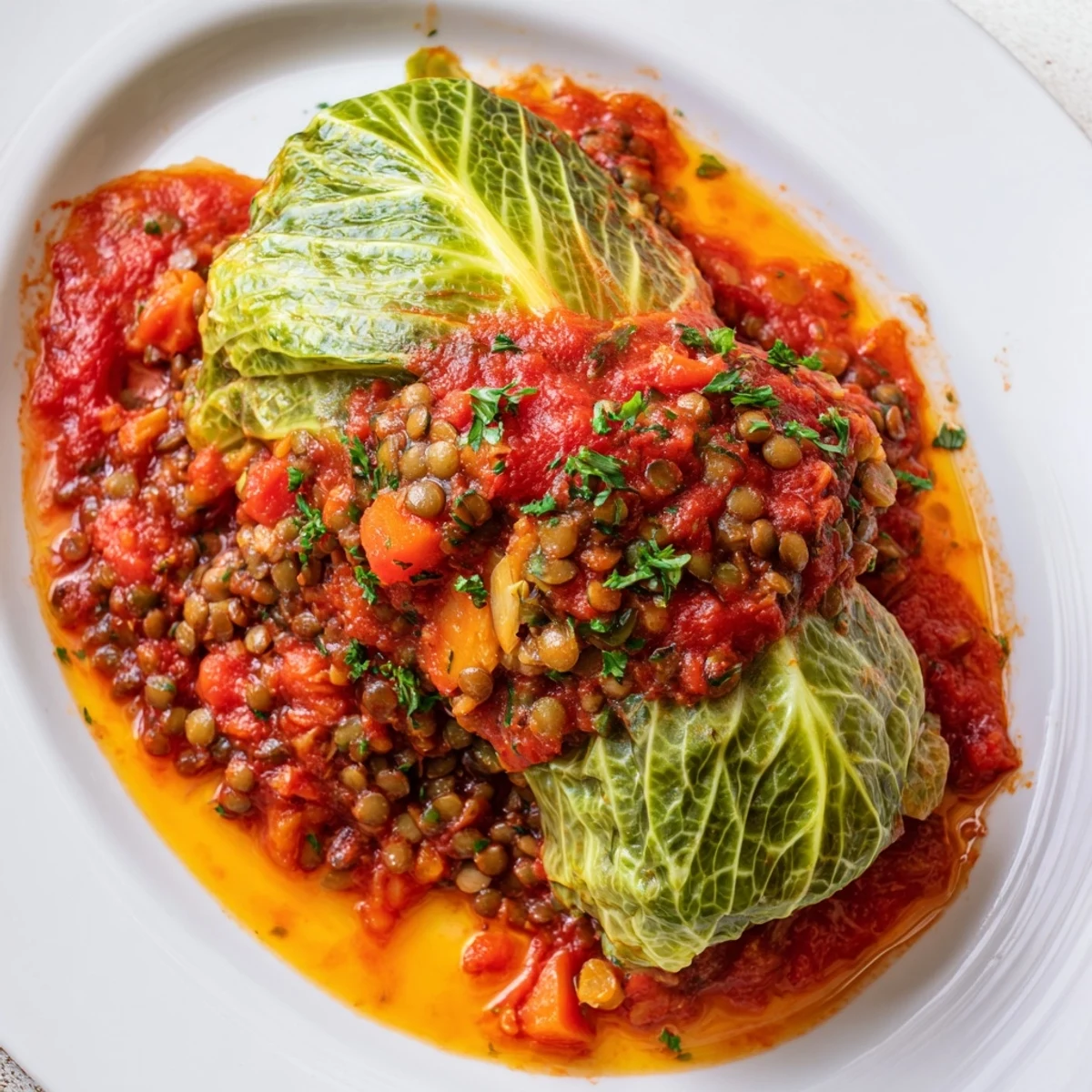
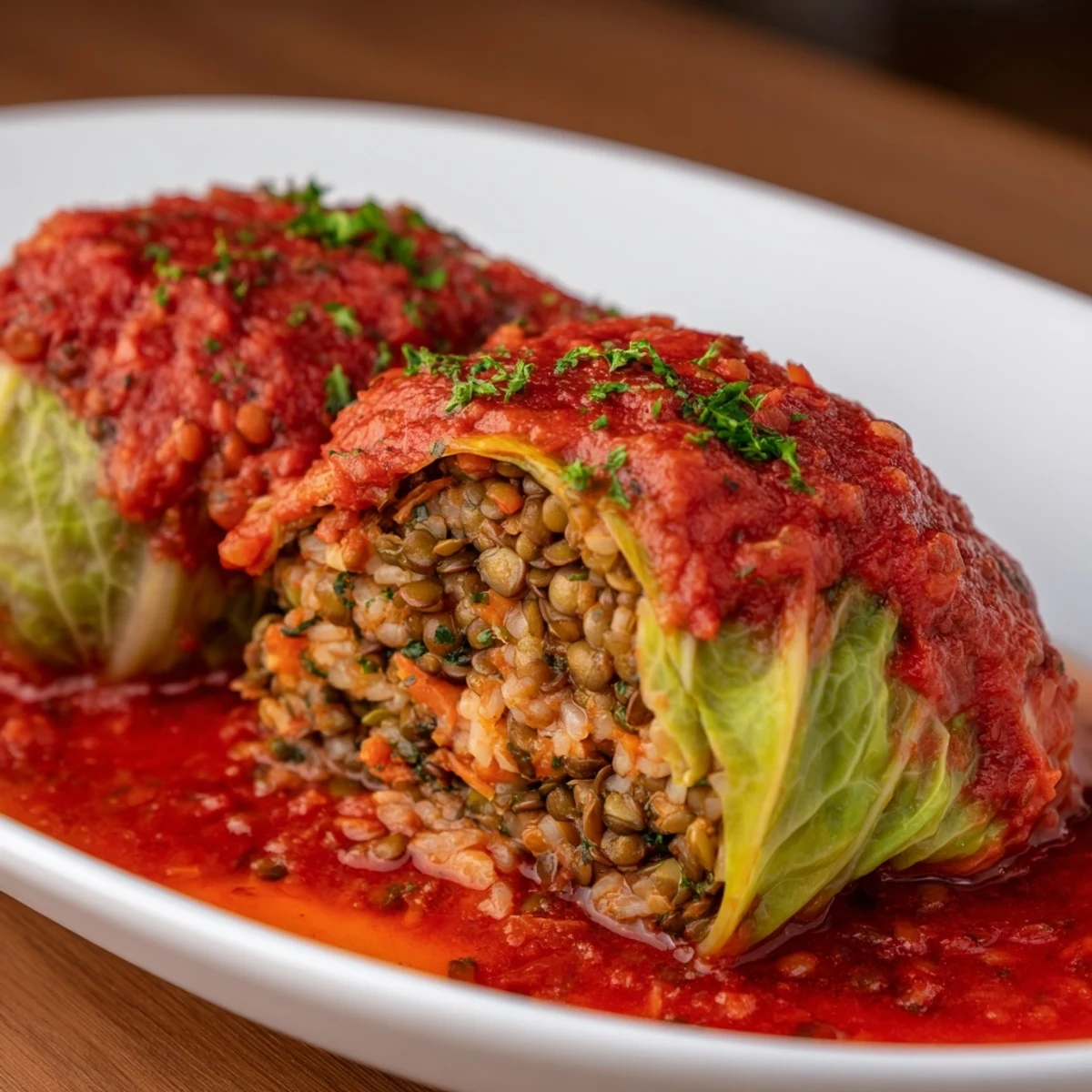
Save These tender cabbage leaves embrace a hearty filling of cooked lentils and rice, boosted with aromatic vegetables like onion, carrot, and celery. Smoked paprika, dried thyme, and oregano infuse the mixture with warmth, while fresh parsley adds brightness.
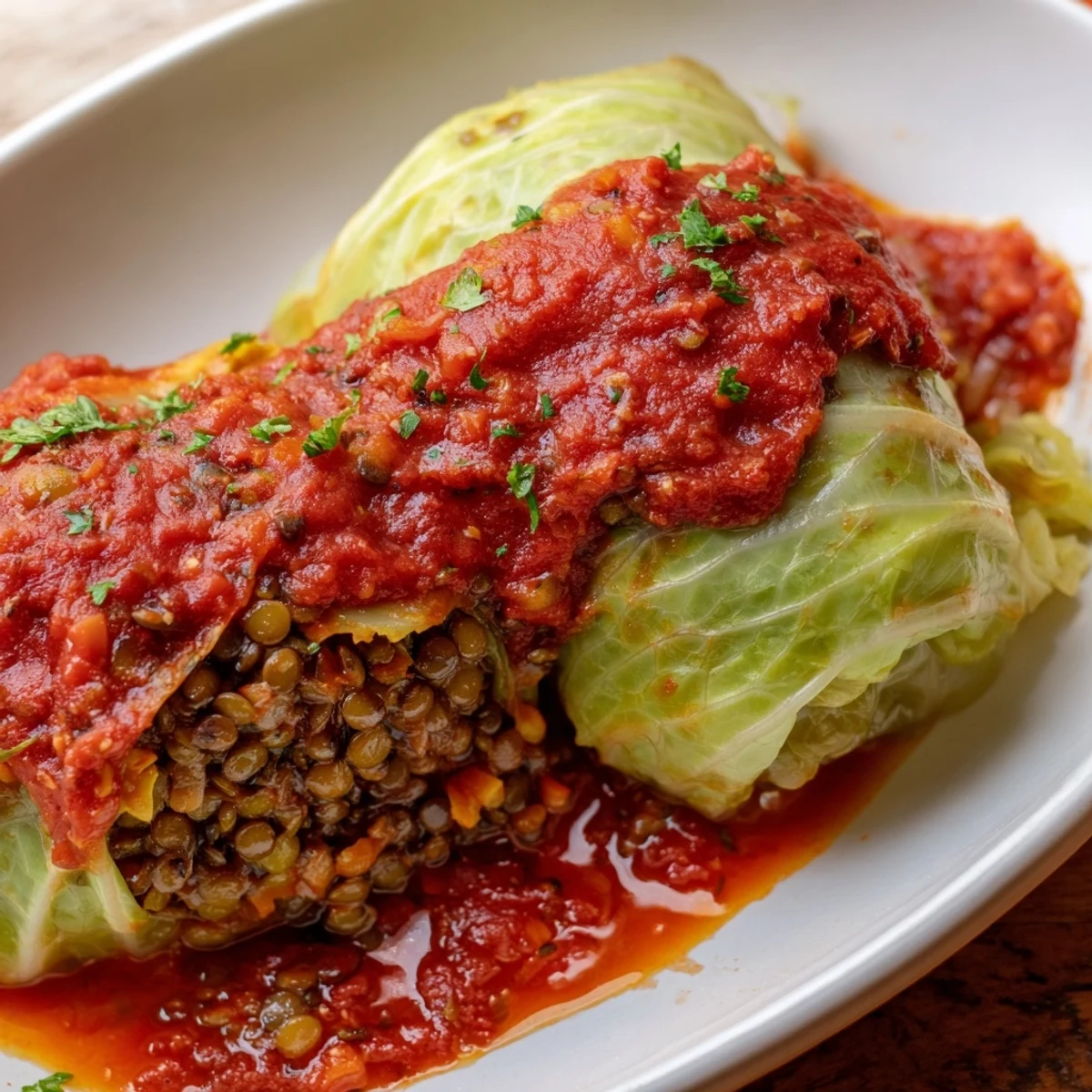
After rolling each parcel, they nestle into a baking dish and get bathed in a simple tomato sauce enhanced with basil. The oven transforms them into meltingly tender morsels with perfectly cooked interiors. The final uncovered minutes create slightly caramelized edges that add wonderful depth.
This dish offers complete protein from the lentil-rice combination while remaining naturally gluten-free. Leftovers develop even deeper flavors, making batch cooking especially rewarding for busy weeknights.
Last winter my neighbor invited me over for what she called cabbage roll night, expecting me to politely decline. Instead I stayed three hours, learning how her grandmother taught her to tuck filling into blanched leaves with this gentle rolling motion. Now my kitchen smells like tomato and thyme every Sunday, and honestly, it is the kind of comfort food that makes you forget you are eating entirely plants.
I made these for my skeptical uncle who grew up on meat stuffed golabki, and he actually went back for thirds. The lentils and rice create this texture so satisfying that nobody at the table mentions what is missing.
Ingredients
- 1 large head green cabbage: The outer leaves are tough, so I peel away about eight layers before blanching the good stuff
- 1 tablespoon olive oil: This helps the onions and vegetables caramelize instead of steam
- 1 large yellow onion: Finely chopped so it disappears into the filling while adding sweetness
- 2 cloves garlic: Minced fresh because garlic powder cannot compete with the real thing here
- 1 medium carrot: Grated finely to add moisture without obvious chunks
- 1 celery stalk: Finely chopped for that aromatic base that makes house smell amazing
- 1 cup cooked lentils: Brown or green lentils hold their shape better than red ones
- 1 cup cooked rice: I use long grain brown rice for extra fiber, but white works perfectly
- 2 tablespoons tomato paste: This concentrates the umami flavor in the filling
- 1 teaspoon smoked paprika: Adds depth that almost makes you think there is meat involved
- 1 teaspoon dried thyme: Earthy and perfect with cabbage
- 1 teaspoon dried oregano: Bright herbal notes to balance the richness
- 2 tablespoons fresh parsley: Chopped and stirred in at the end for fresh color and flavor
- 2 cups crushed tomatoes: The foundation for that sauce everything soaks up
- 1 teaspoon sugar: Just enough to tame the acidity from canned tomatoes
Instructions
- Get your cabbage ready:
- Bring a large pot of salted water to boil while you carefully peel 12 to 14 leaves off the cabbage head. Blanch them for 3 to 4 minutes until they bend without cracking, then drain in a colander.
- Build the filling:
- Heat olive oil in a skillet and cook the onion until it turns translucent, about 4 minutes. Add garlic, carrot, and celery, letting them soften for another 3 minutes.
- Combine everything:
- Stir in lentils, rice, tomato paste, smoked paprika, thyme, oregano, pepper, and salt. Cook 2 to 3 minutes so flavors meld, then fold in parsley off the heat.
- Whisk up the sauce:
- Mix crushed tomatoes, olive oil, basil, sugar, salt, and pepper in a bowl until the sugar dissolves completely.
- Roll them up:
- Trim the thick vein from each cabbage leaf base, place 2 to 3 tablespoons filling at the bottom edge, fold in the sides, and roll tight like a little burrito.
- Arrange and bake:
- Spread thin sauce in a baking dish, nestle rolls seam side down, pour remaining sauce over them, cover with foil, and bake at 375°F for 40 minutes. Remove foil and bake 10 to 15 more minutes until bubbly.
 Save
Save My friend requested these for her birthday dinner instead of cake, which says everything about how good they are.
Making Ahead
You can assemble the rolls up to two days before baking, cover tightly, and refrigerate. The flavors actually develop more depth this way.
Freezing Instructions
I freeze uncooked rolls on a baking sheet first, then transfer to freezer bags for up to three months. Thaw overnight before baking as usual.
Serving Suggestions
These shine with a crisp green salad dressed simply with lemon and olive oil. Some crusty bread for soaking up that tomato sauce is never a bad idea.
- A dollop of vegan sour cream on top adds richness
- Fresh dill sprinkled at the end brightens everything
- A squeeze of lemon juice right before serving wakes up flavors
 Save
Save There is something deeply satisfying about a dish that feeds this many people with this little fuss. Enjoy every roll.
Recipe FAQs
- → Can I prepare cabbage rolls ahead of time?
-
Yes, assemble the rolls completely and refrigerate for up to 24 hours before baking. You can also freeze uncooked rolls for up to 3 months—thaw overnight in the refrigerator before baking as directed.
- → What other grains work in the filling?
-
Quinoa, millet, or buckwheat all make excellent substitutes for rice. Just ensure the grain is fully cooked before mixing into the filling, as it won't cook further during baking.
- → How do I soften cabbage leaves without tearing?
-
Blanching whole leaves in boiling salted water for 3-4 minutes makes them pliable. Use tongs to gently remove leaves, and pat dry with a clean kitchen towel before filling. Avoid overcooking or leaves become too fragile.
- → Can I use red cabbage instead?
-
Red cabbage works beautifully and adds vibrant color. Note that red cabbage leaves are typically slightly thicker, so blanch for an extra minute or two. The final dish will have a gorgeous purple hue from the sauce interaction.
- → What proteins pair well with this dish?
-
The lentil-rice combination already provides complete protein, but you could serve with roasted chickpeas, toasted walnuts sprinkled on top, or a side of white beans for extra protein if desired.
- → How do I know when cabbage rolls are fully cooked?
-
The leaves should be completely tender when pierced with a knife, and the filling should be hot throughout. The tomato sauce will be bubbling around the edges, and the tops will have slight golden-brown coloring after the final uncovered baking period.