
 Save
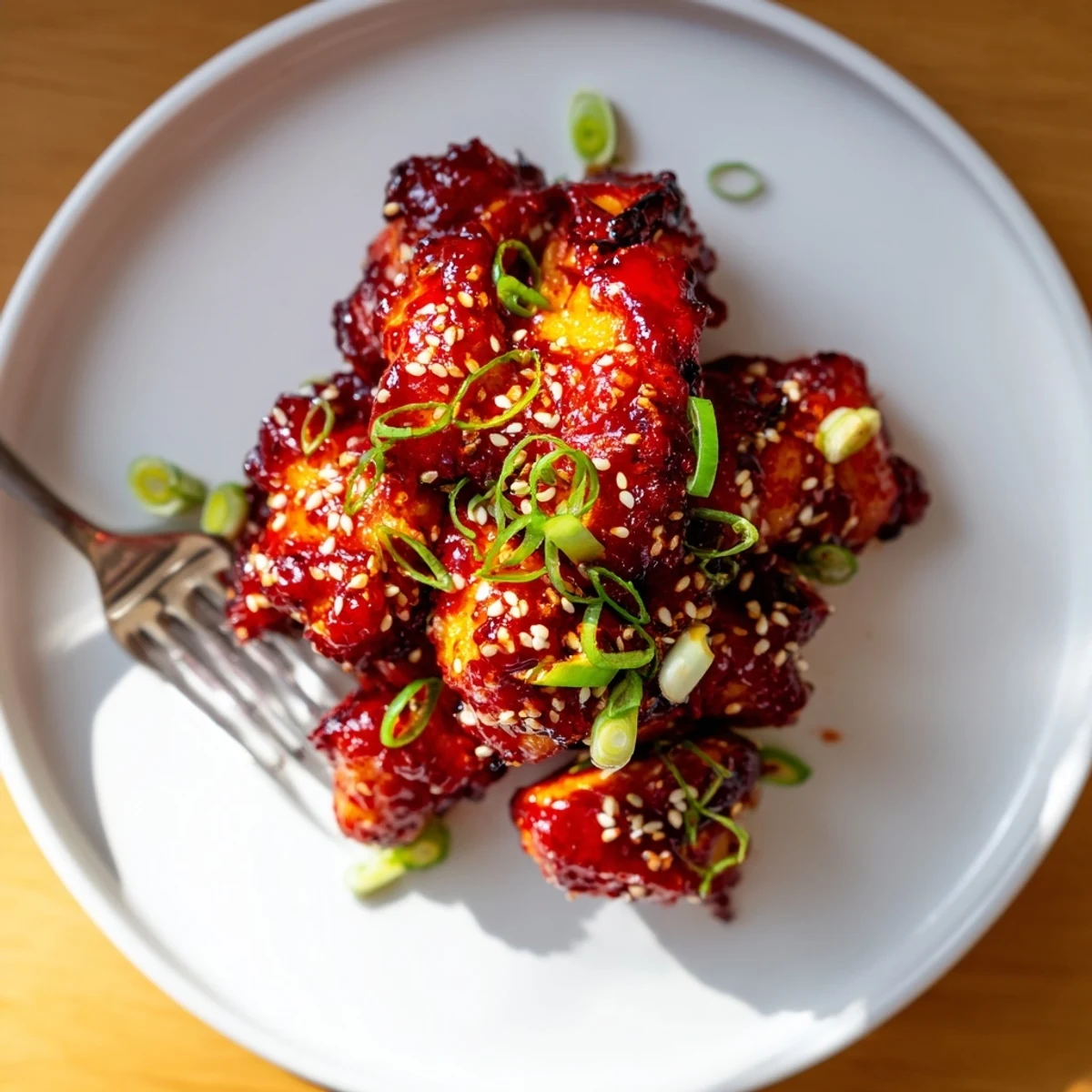
Save This Korean-inspired gochujang chicken brings together tender boneless thighs marinated in a bold blend of gochujang chili paste, soy sauce, honey, garlic, and ginger.
The chicken cooks in a hot skillet until caramelized and slightly charred on the edges, locking in a sticky, sweet-and-savory glaze that clings to every bite.
Finished with a sprinkle of toasted sesame seeds and sliced green onions, it pairs perfectly with steamed rice or crisp lettuce wraps for a complete meal.
The sizzle of chicken hitting a hot pan on a Tuesday evening changed my weeknight cooking forever, and it all started with a tub of gochujang I impulse bought at a Korean grocery store across town. That deep red paste sat in my fridge for two weeks before I worked up the courage to open it. The smell hit me: fermented, complex, slightly sweet, and unmistakably bold. I stirred it into some soy sauce and honey, tossed in chicken thighs, and dinner was never the same.
My neighbor Dave walked over while I was cooking this on the patio once, and he stood there speechless for a full minute just watching the chicken bubble and char in the pan. He asked if I had ordered takeout and was plating it to look homemade. I handed him a piece straight from the skillet with chopsticks, and he went home with the recipe scribbled on a napkin.
Ingredients
- 700 g boneless, skinless chicken thighs: Thighs stay juicy and forgiving even if you accidentally overcook them slightly, which makes them perfect here. Cut them into uniform bite sized pieces so everything cooks evenly and gets maximum surface area for that caramelized glaze.
- 3 tbsp gochujang: This Korean chili paste is the soul of the dish, delivering fermented depth along with gentle heat. Different brands vary in spice level, so taste yours first and adjust accordingly.
- 2 tbsp soy sauce: Provides salt and umami that grounds the sweetness of the honey. A good quality soy sauce makes a noticeable difference here.
- 1 tbsp rice vinegar: A small amount of acidity balances the richness and brightens the entire marinade. Do not skip this even though it seems minor.
- 2 tbsp honey: Honey helps the marinade caramelize and creates that beautiful sticky coating. Brown sugar works too if you prefer a slightly deeper molasses note.
- 2 cloves garlic, minced: Fresh garlic is non negotiable for this recipe. Smash the cloves before mincing to release more of their natural oils.
- 1 tbsp ginger, grated: Grated ginger melts into the marinade and adds warmth without being overpowering. Use a microplane for the finest texture.
- 1 tbsp sesame oil: Toasted sesame oil gives a nutty aroma that ties everything together. Add it last to the marinade so its fragrance stays vivid.
- 1/2 tsp black pepper: Freshly cracked pepper adds a subtle bite that complements the chili paste. It seems small but you will miss it if you forget.
- 1 tbsp toasted sesame seeds: These add a satisfying crunch and visual appeal when sprinkled on top. Toast them yourself in a dry pan for the best flavor.
- 2 green onions, thinly sliced: The sharp freshness of raw green onion cuts through the richness perfectly. Slice them on a steep diagonal for a nicer presentation.
Instructions
- Build the marinade:
- In a large bowl, whisk the gochujang, soy sauce, rice vinegar, honey, garlic, ginger, sesame oil, and pepper until smooth. The color should be a gorgeous deep red and the smell will already have you hungry.
- Coat the chicken:
- Add the chicken pieces to the bowl and toss thoroughly with your hands or tongs, making sure every piece is well coated. Let it sit for at least 20 minutes at room temperature, or cover and refrigerate up to 2 hours if you have the time.
- Cook until caramelized:
- Heat a large skillet over medium high heat and add the chicken along with all the marinade. Cook for 6 to 8 minutes per side until the chicken is cooked through and the sauce has reduced to a sticky glaze that clings to every piece.
- Finish and serve:
- Remove from heat, sprinkle with sesame seeds and sliced green onions. Serve immediately over steamed rice or tucked into crisp lettuce wraps for a lighter meal.
 Save
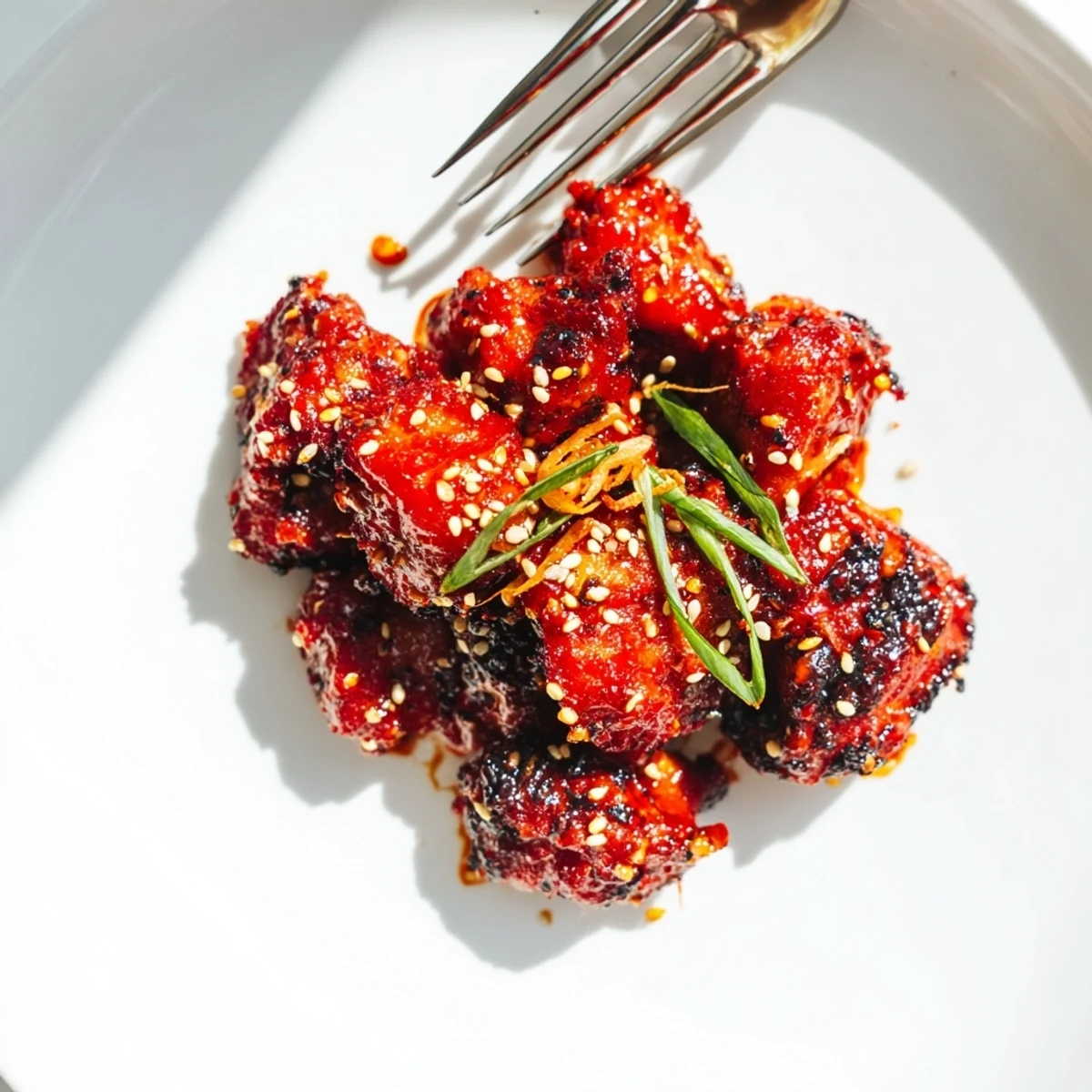
Save I made this for a friend who insisted she did not like spicy food, and after one bite she was pulling the pan closer to her plate and going back for thirds. Sometimes a dish stops being a recipe and becomes the reason people gather around your table.
Pairing Ideas for Your Table
This chicken loves company, and a bowl of steamed white rice is the most natural match because it absorbs the extra sauce like a sponge. Kimchi on the side brings tangy fermentation that echoes the gochujang while adding crunch. Quick pickled cucumbers or radishes take five minutes to throw together and their acidity refreshes your palate between bites. A simple plate of sauteed spinach or bok choy rounds everything out without competing for attention.
Making It Your Own
Chicken breasts work fine if you prefer leaner meat, but pull them from the heat the second they are done because they dry out fast. For extra fire, a teaspoon of gochugaru flakes in the marinade will satisfy anyone who thinks the standard version is too gentle. Pork tenderloin cut into medallions is a surprising and excellent swap if you want to experiment beyond poultry.
Getting Ahead and Storing Leftovers
The marinade comes together so quickly that you can prep it the night before and let the chicken soak up flavor overnight in the fridge. Leftovers keep beautifully for three days and actually taste better the next day when the flavors have had time to settle. Reheat gently in a skillet with a splash of water to loosen the glaze back up.
- Double the marinade and freeze half with raw chicken for a meal that is ready to thaw and cook on a busy night.
- The cooked chicken makes an incredible next day lunch over cold noodles with a drizzle of sesame oil.
- Always taste your gochujang before measuring because heat levels vary wildly between brands.
 Save
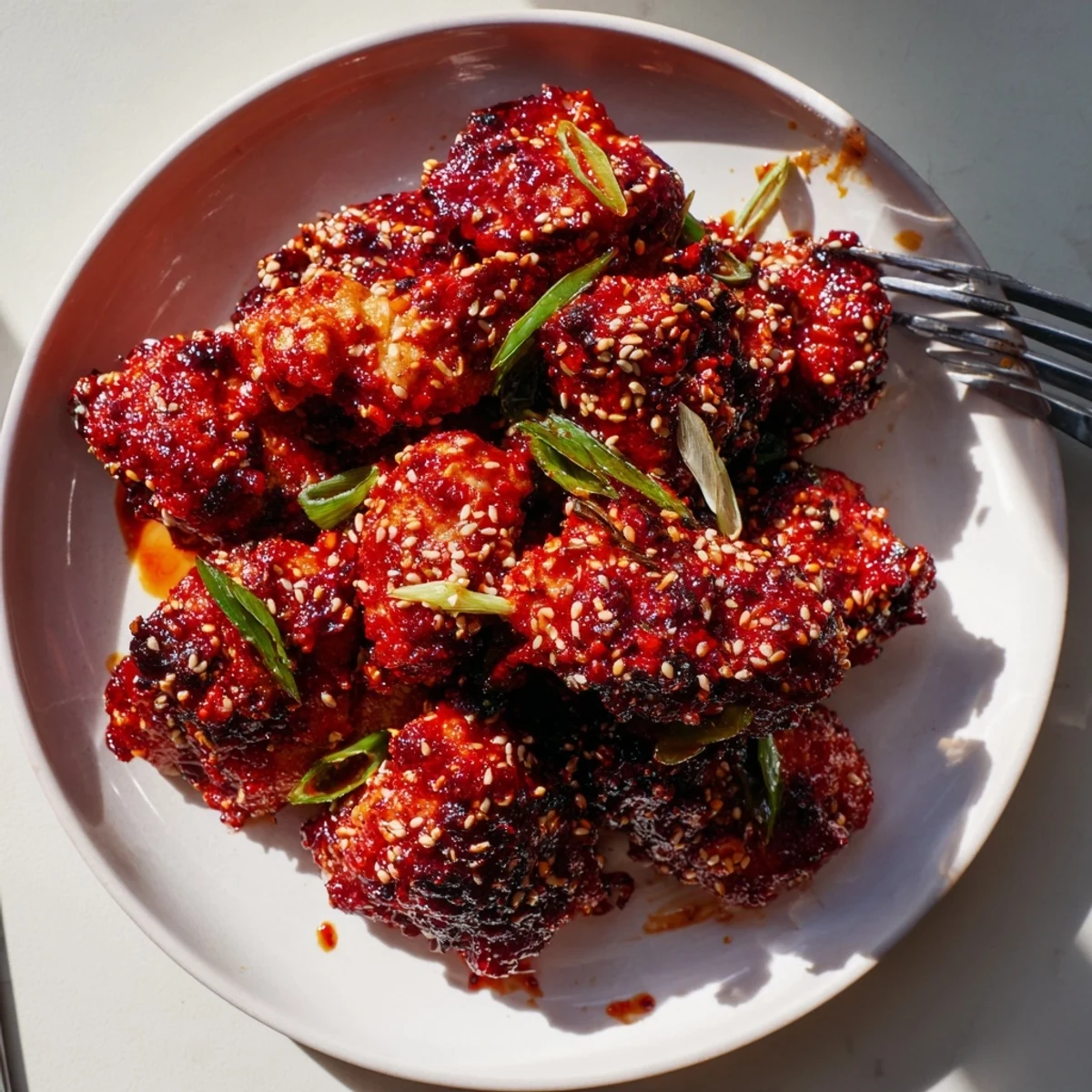
Save This is the kind of recipe that earns a permanent spot in your rotation, the one you reach for when you want something bold without any fuss. Share it freely and watch it disappear.
Recipe FAQs
- → What does gochujang taste like?
-
Gochujang is a fermented Korean chili paste with a complex flavor profile that balances heat, sweetness, and deep umami. It is thicker and less vinegary than sriracha, making it ideal for marinades and glazes.
- → Can I use chicken breast instead of thighs?
-
Yes, chicken breast works as a leaner alternative. To keep it juicy, avoid overcooking and consider reducing the skillet time slightly, since breast meat cooks faster and dries out more easily than thighs.
- → How long should I marinate the chicken?
-
A minimum of 20 minutes is enough to infuse flavor, but marinating for up to 2 hours in the refrigerator will deepen the taste significantly. For best results, let it sit as long as your schedule allows.
- → What should I serve with gochujang chicken?
-
Steamed white rice is the classic pairing, but lettuce wraps, kimchi, pickled vegetables, or sautéed greens like bok choy and spinach also complement the dish beautifully.
- → Is this dish very spicy?
-
The gochujang provides a moderate, building heat that most people find enjoyable. For extra spice, add a teaspoon of gochugaru Korean red chili flakes to the marinade.
- → Can I make gochujang chicken ahead of time?
-
You can prepare the marinade and soak the chicken up to a day in advance. Cooked leftovers store well in an airtight container in the refrigerator for up to three days and reheat nicely in a skillet.